Wellness Consensus
When you buy through our links, we may earn a commission.

Wellness Consensus Recommendations

The 20 Wellness Recommendations Top Experts Actually Agree On

Updated May 23, 2026 20 recommendations
Wellness Consensus

We indexed every recommendation made by 10 credentialed wellness podcasters across 146 full-length episodes — then surfaced only the ones that two or more of them independently advocate. Below: the 20 that made the cut, ranked by how many experts back each one.

Sponsor-read product mentions are filtered out. Every recommendation is sourced to specific episode citations you can read in full beneath each pick.

Our top pick

Sleep hygiene and environmental optimization

Standard sleep optimization protocols including dark, cold bedrooms, stable sleep duration targets, masks, and earplugs.

Sleep hygiene and environmental optimization

Recommended by 10 of our experts, including Tommy Wood, Rhonda Patrick, Eric Topol, and 7 others.

Recommended products

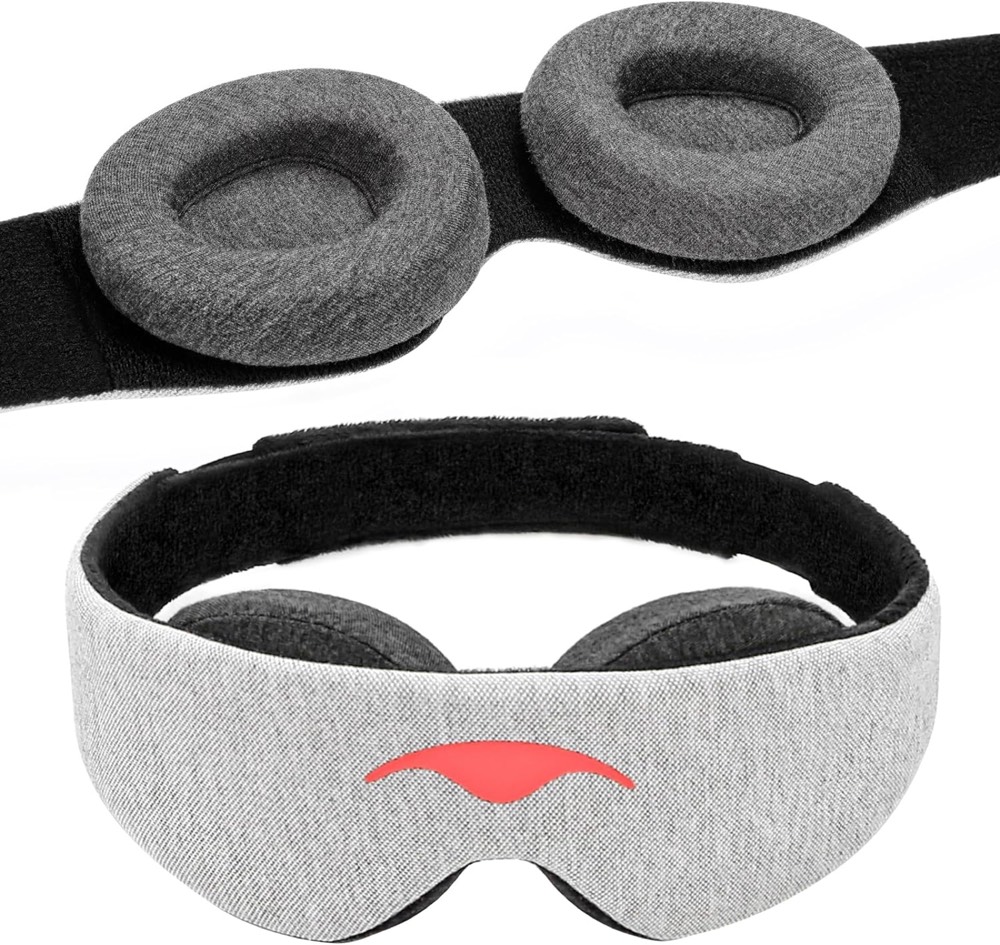
Contoured eye cups block light completely without pressure on the eyes.

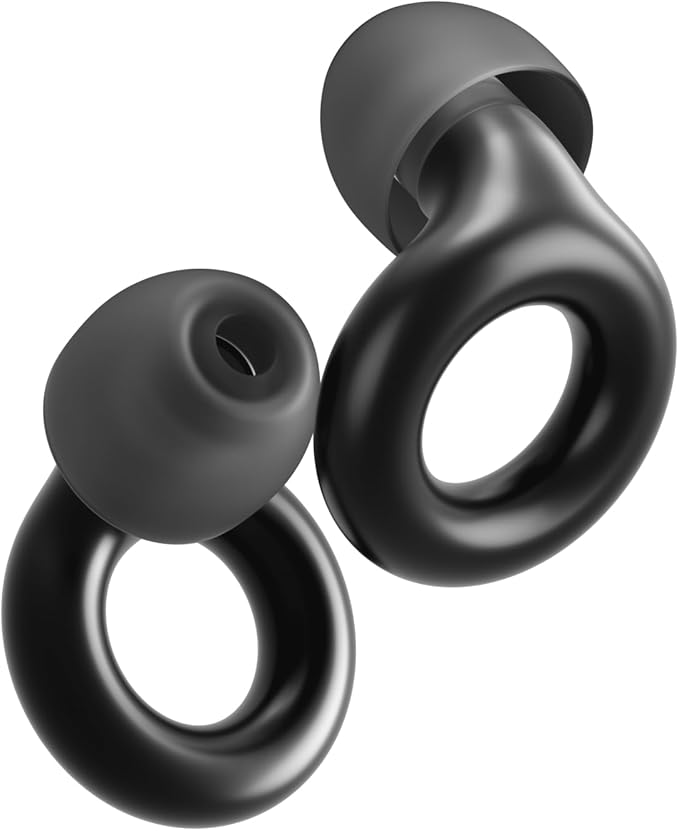
Soft silicone earplugs designed for sleep — comfortable for side-sleepers.

The consensus recommendation

AI summary

Prioritize getting 7 to 8 hours of sleep per night on a strict daily schedule, keeping your bedtime and wake times consistent within a one-hour window even on weekends. Optimize your sleeping environment by keeping your bedroom dark and cool, using a sleep mask and earplugs to block out sensory disruptions. Finally, establish a wind-down routine at least an hour before bed by dimming lights, turning off screens, and keeping phones out of the bedroom, while limiting any daytime naps to under 30 minutes.

Duration
7-8 hours
  • Tommy Wood
    Better Brain Fitness
    “cognitive activity during the day increases sleep pressure, results in better sleep efficiency, greater slow wave sleep”
    during the day · daily
  • Tommy Wood
    Better Brain Fitness
    “polyphasic sleep schedules and the sleep deficiency inherent in those schedules are associated with a variety of adverse physical health, mental health and performance outcomes”
  • Tommy Wood
    Better Brain Fitness
    “in order for that consolidation process to happen, you need to move through the entire sleep cycle...The brain generally moves through all of the stages over a period of about 90 minutes”
    several cycles per night
  • Tommy Wood
    Better Brain Fitness
    “it's entirely possible to accelerate your progress potentially by quite a bit by napping strategically”
    late morning or early afternoon, shortly after first practice session · as part of multi-session daily learning protocol
  • Tommy Wood
    Better Brain Fitness
    “by taking that first nap, you're enhancing the likelihood and the effectiveness of consolidation of that particular practice session”
    immediately after practice session · per practice session
  • Tommy Wood
    Better Brain Fitness
    “having a consistent bedtime I think considered to be kind of, probably the cornerstone of, of good sleep. And I think that, you know, a lot of that is in helping to maintain those boundaries”
    same time each night · nightly
  • Tommy Wood
    Better Brain Fitness
    “many cultures do have naps integrated into the day, siestas and things like that and what we refer to as biphasic sleep. So there's plenty of precedent for that sort of thing”
    integrate naps into daytime schedule · as part of daily sleep architecture
  • Tommy Wood
    Better Brain Fitness
    “sleep. That's when your glymphatics are doing their thing”
  • Tommy Wood
    Better Brain Fitness
    “those who exhibit more significant changes in sleep tend to spend less time outdoors; those who don't exhibit significant changes spend more time outdoors”
    regular
  • Tommy Wood
    Better Brain Fitness
    “establishing a routine where you're utilizing conditioning in some way that's, you know, conditioning you to, to sort of begin the sleep routine. Telling the brain, you know, this is wind down time. The more reps you get in doing that, the easier it becomes”
    before bedtime · nightly
  • Tommy Wood
    Better Brain Fitness
    “there are some stories of some famous people, including people, you know, creators and inventors and so forth, who had. Who slept in these unusual patterns...maybe a creativity gain”
    multiple naps per day
  • Rhonda Patrick
    FoundMyFitness
    “if you can keep a reliable shift. If you want to turn your day in tonight and make that permanent, that will actually minimize the damage. You're just in a different time zone.”
    permanent/consistent
  • Rhonda Patrick
    FoundMyFitness
    “using wrist based movement to estimate whether someone was asleep or awake across a night has been around since the 1970s... you can Predict with about 90% accuracy using movement alone”
  • Rhonda Patrick
    FoundMyFitness
    “I actually see this not uncommonly where people have trouble with sleep because a medication that is perfectly acceptable to prescribe in the evening is being taken in the evening.”
    evening
  • Rhonda Patrick
    FoundMyFitness
    “orthosomnia can be a precipitant to insomnia and it's going to make your sleep Worse, and then you're going to worry about it more. Actually, for a lot of those people, a lot of times we'll just say, take it off, just take it off.”
  • Rhonda Patrick
    FoundMyFitness
    “Is there anything physically that's preventing you from getting deep sleep if you wanted it? Do you have some sort of systemic inflammation going on? Do you have untreated sleep apnea? Do you have chronic pain?”
  • Rhonda Patrick
    FoundMyFitness
    “Bank good sleep. Get as much good sleep as you can while you can, because if you have a competition tomorrow and it's high stakes, you're not going to sleep great.”
    1-2 weeks before competition · ongoing prior to high-stakes event
  • Rhonda Patrick
    FoundMyFitness
    “allowing sufficient wind down time with nighttime signals, dimming lights, literally and metaphorically for at least a half an hour before bed. Literally meaning you want them orange, you don't want them bright and blue.”
    30 minutes before bed · nightly
  • Rhonda Patrick
    FoundMyFitness
    “A nap on purpose that is restricted in time before you want to wake up, before you drop down into that deep sleep. If you want to make it sort of like a power nap.”
    middle of day or earlier in day · as needed
  • Rhonda Patrick
    FoundMyFitness
    “you go through a full cycle, you actually make it all, and you get a whole cycle of deep sleep, which does exactly what it does at night too. It's not quite as good, but it does the trick.”
    right after shift or before shift · as needed for shift workers
  • Rhonda Patrick
    FoundMyFitness
    “time the flight so that it lands in the morning local time. So you're taking off in the afternoon from the US and it might be 3, 4, 5, 6 in the afternoon, but you're landing at 10am local time”
  • Rhonda Patrick
    FoundMyFitness
    “I'll have a crappy fragmented night of sleep on the plane. I got my earplugs, got my eye mask, got my melatonin”
    during flight
  • Rhonda Patrick
    FoundMyFitness
    “sleep staging data, it's a ballpark. It's actually better than a lot of sleep people assume that it is. In terms of its level, it's probably between 60 and 80% accurate”
  • Rhonda Patrick
    FoundMyFitness
    “one night of data isn't worth much. It's more about the weekly trend or like trending and changing over time. That's what I care about”
    weekly
  • Rhonda Patrick
    FoundMyFitness
    “if you can sleep better, your resilience will improve. You can improve your level of resilience, whether it's physical or emotional or whatever.”
  • Rhonda Patrick
    FoundMyFitness
    “Some of the best sleep technology on the market, simple cloth eye mask. There was a study, I think it was in Switzerland where they had an eye mask, just a plain old cloth eye mask and they had a placebo eye mask where they cut the holes out in the middle. Same strap. Just cut the holes out. Improved sleep consolidation during the night.”
    nightly
  • Rhonda Patrick
    FoundMyFitness
    “Anyone who has an animal in their room, another mammal in their room, like moving around. You're gonna have more fragmented sleep.”
    nightly
  • Rhonda Patrick
    FoundMyFitness
    “And metaphorically, I mean, give yourself time and space to detach. That is actually usually if you're going to bed at the right time or within your window of time, if you're having trouble or your mind's racing, it's because you're trying to go from 30,000ft to parked at the gate right away. Just put a little bit of space in there, let yourself come to a stop.”
    before bed · nightly
  • Rhonda Patrick
    FoundMyFitness
    “So that I would say is orange lights. Putting. Putting screens down if you can. If you could put down screens. Reading. Reading actual paper books is great before sleep.”
    before bed · nightly
  • Rhonda Patrick
    FoundMyFitness
    “So that I would say is orange lights. Putting. Putting screens down if you can. If you could put down screens. Reading. Reading actual paper books is great before sleep.”
    before bed · nightly
  • Rhonda Patrick
    FoundMyFitness
    “If it is outside of your control, don't try and control it. Let it be and don't panic. You will fall asleep just fine. If it's possible to fall asleep, fine. If you didn't panic, you will. As soon as you start panicking, you're adding energy into the system.”
    during night waking · as needed
  • Rhonda Patrick
    FoundMyFitness
    “Or get two twin xls, put them next to each other. Sleep in a. You can sleep with somebody, but not on the same mattress.”
  • Rhonda Patrick
    FoundMyFitness
    “there's nothing wrong with that. There's people who talk about this as if it's a bad thing, but actually from a sleep science perspective, you get all of the social positive human benefits of sleep.”
  • Rhonda Patrick
    FoundMyFitness
    “I would say most people probably need seven. By self report, that might mean six or six and a half on your wearable.”
    nightly
  • Rhonda Patrick
    FoundMyFitness
    “keep that schedule as consistent as possible, seven days a week.”
    daily
  • Rhonda Patrick
    FoundMyFitness
    “the majority of daily growth hormone secretion occurs in the initial phase of slow wave sleep. On the other hand, growth hormone and its releasing hormone, growth hormone releasing hormone have also been shown to promote sleep, particularly slow wave sleep”
  • Rhonda Patrick
    FoundMyFitness
    “one to two nights of short sleep does not dramatically impair performance...if you're coming from a place of strength, one or two nights, dropping your sleep from eight down to like six or five hours, you might have some cognitive impairment, but it's going to be quite minor.”
    1-2 nights
  • Rhonda Patrick
    FoundMyFitness
    “I do not nap for that reason because I would be. It's sort of like if you're taking a snack, don't. If you're going to have a light snack, don't have it be at dinner time”
  • Rhonda Patrick
    FoundMyFitness
    “most of those scores are. I give almost no attention to those. I can be ungenerous and say they're mostly made up nonsense anyway”
  • Rhonda Patrick
    FoundMyFitness
    “Is your mattress 10 years old and needs to get replaced and it's just uncomfortable and it's creating too much activation during the night?”
  • Rhonda Patrick
    FoundMyFitness
    “Maybe you're going to bed too hot and you need to chill out a little bit first. Whether it's mentally, physically, or both.”
    before bed
  • Rhonda Patrick
    FoundMyFitness
    “there have been studies where you take, where they're already sleeping maybe six, seven hours. If you get them up to nine, 10 hours, they're faster, they're stronger, they're mentally sharper.”
    nightly
  • Rhonda Patrick
    FoundMyFitness
    “You might need to track it objectively using something like a tracker or a stopwatch. Are you getting faster? Are you being able to lift better? It might not be perceptible by your memory”
    ongoing
  • Rhonda Patrick
    FoundMyFitness
    “Like eye masks and earplugs. Some of the best cheap sleep technology that exists.”
    nightly
  • Rhonda Patrick
    FoundMyFitness
    “Reading. Reading actual paper books is great before sleep. Unless you're me. I actually suck at reading before bed because I get into it. But for most normal people, the data actually support reading because it's self paced. If you can't maintain muscle tone, you'll know it and you will tap right into your body signals. You won't be overstimulated.”
    before bed · nightly
  • Rhonda Patrick
    FoundMyFitness
    “If I wake up in the middle of the night, what do I do first? Step one is, okay, can I fall right back to sleep within the next two or three minutes? I try and if I don't, then I.”
    upon waking in night · as needed
  • Rhonda Patrick
    FoundMyFitness
    “with the eye mask, the environmental bubble wrapping of your sleep, because if anything is going to prevent you from getting more deep sleep, it's extra stimulation with the auditory stimulation.”
    nightly
  • Rhonda Patrick
    FoundMyFitness
    “if I put you in an otherwise quiet, dark room for 20 minutes, could you stay conscious? If the answer is no, you're probably not getting enough sleep.”
    as assessment tool
  • Rhonda Patrick
    FoundMyFitness
    “give yourself permission to schedule stuff out in different times. You may or may not have control...adjusting meal times or adjusting where the heaviest workload of your day is scheduling meetings at certain times”
    daily scheduling
  • Rhonda Patrick
    FoundMyFitness
    “making sure you've got good sleep and don't have sleep apnea”
    nightly
  • Rhonda Patrick
    FoundMyFitness
    “Or like that's how I like to do it. I like to extend it by 15 minutes. See, if you do that, extend by another. Because also you don't have to find an hour in the day. You can always find 15 minutes.”
    incremental increases
  • Rhonda Patrick
    FoundMyFitness
    “in mice we've looked at young mice that have really good chronosynchrony and older mice that are kind of losing their synchrony and the nad system becomes disturbed there's a lot of time of day cues that go into nad synthesis”
    consistent daily rhythm
  • Rhonda Patrick
    FoundMyFitness
    “if it's the sleep so whether or not you're we're talking about like i said we're diving into this but like if you're if your circadian rhythm's disrupted i mean trying to fix fix that”
  • Rhonda Patrick
    FoundMyFitness
    “You might need to just that extra layer of insulation, like a white noise machine could be good for something like that.”
    nightly
  • Rhonda Patrick
    FoundMyFitness
    “I like sleep depriving myself a little bit before these long flights”
    before long flights
  • Eric Topol
    Ground Truths
    “It's during sleep where all the action takes place. That's when this whole clearance is occurring and most of it is during deep sleep.”
    during sleep · nightly
  • Eric Topol
    Ground Truths
    “we've identified at least two different genes...idiots like me have been out there touting the importance of somewhere between seven to nine hours of sleep”
    nightly
  • Eric Topol
    Ground Truths
    “sleep is a preferential time when that brain cleansing system kicks into gear”
    nightly
  • Eric Topol
    Ground Truths
    “we like to see some measure of at least 85% or above. Because once you get less than 85% in terms of your sleep quality or your sleep efficiency, then you start to see many of these unfolding system wide impairments.”
  • Eric Topol
    Ground Truths
    “those people who were in the upper quartile of regularity de risked all cause mortality, cancer mortality, cardiovascular mortality. It was stunning. And then they did a cute little experiment... regularity almost beat out quantity in terms of predicting all cause mortality.”
    consistent wake-sleep timing daily
  • Eric Topol
    Ground Truths
    “sleep, unlike those two other criticals of health, which is diet and exercise, is very difficult to subjectively estimate... there is something useful about tracking, especially a non conscious process”
  • Eric Topol
    Ground Truths
    “if we go to bed and get up at a regular time, that aligns with our circadian rhythm, that's probably like the number one thing we can do to give ourselves the opportunity to get good sleep”
    daily
  • Eric Topol
    Ground Truths
    “the basics actually do a lot, you know, keeping a regular wake time and sleep time”
    daily
  • Eric Topol
    Ground Truths
    “Keep your naps before 3pm so that it doesn't interfere with sleeping at night”
    before 3pm
  • Eric Topol
    Ground Truths
    “you really wanna try to end your nap by 30 minutes. So I tell people, set an alarm so that you don't get into real deep sleep and get sleep inertia.”
  • Eric Topol
    Ground Truths
    “unintentional naps, naps are not good. People who are dozing off in the evening in front of the tv, that is not a good nap...it uses up your sleep drive. So then you don't get good sleep at night.”
  • Eric Topol
    Ground Truths
    “normal to wake up several times during the night. AFNARs are normal. Arousals and awakenings are normal...waking up several times is completely normal. And if people get back to sleep within a few minutes, again, that's totally normal.”
    several times per night
  • Eric Topol
    Ground Truths
    “you should always keep in mind, how do I feel the next day? Because I think a lot of people will see their readiness score as 92, and they feel miserable... subjective sense of sleep is just as important as objective measures”
    next day assessment · daily evaluation
  • Eric Topol
    Ground Truths
    “only on, let's say a Sunday afternoon will I open up the app and look historically, what's been happening during the past week so that you keep getting your data, but you don't get the anxiogenic daily sort of repetition”
    weekly, e.g., Sunday afternoon · once per week instead of daily
  • Eric Topol
    Ground Truths
    “That's why it's so important to get a good night's sleep, you know, with all the. With all the right amount of deep sleep.”
    nightly
  • Eric Topol
    Ground Truths
    “when you are sleep deprived, you become more asocial...other people rate you as being less socially attractive...we stop wanting to help other people”
  • Eric Topol
    Ground Truths
    “I like to think about sleep trackers that are low friction and no friction. When we go to sleep, we take things off, we don't put things on. That's why I like things like the ring, for example.”
  • Eric Topol
    Ground Truths
    “when it comes to at least amyloid and tau, we think that it is the slow wave sleep, which is kind of the deep part of non REM sleep that's important”
    nightly
  • Eric Topol
    Ground Truths
    “if you're waking up in the morning and preferably without an alarm clock, and you feel like your sleep was refreshing, you probably had good sleep. I think that sometimes we lose the ability to sense that if we rely too much on wearables”
    morning · daily
  • Eric Topol
    Ground Truths
    “getting on a very regular schedule made a huge difference in getting into that deep sleep”
    daily
  • Eric Topol
    Ground Truths
    “you can kind of go into almost like a low battery mode when you are awake but in quiet rest. And I think that can drive some already early clearance from the brain”
    as needed
  • Eric Topol
    Ground Truths
    “the remarkable relationship of sleep regularity, the index and across the board cardiovascular cancer and neurodegenerative, the three big age related diseases”
    consistent nightly schedule
  • Eric Topol
    Ground Truths
    “Women have about half the prevalence of men in terms of sleep apnea before Menopause. After menopause, they've caught up...around menopause is when a lot of women develop and are diagnosed”
    at least once during/after menopause transition
  • Eric Topol
    Ground Truths
    “we both have used the OURA ring and other ways to measure that...learning about your deep sleep is a practical import”
    regular tracking
  • Eric Topol
    Ground Truths
    “if you are efficient, if you can do the job in three hours, then why sleep for six hours? Right? But most likely you can't”
    nightly
  • Eric Topol
    Ground Truths
    “the one biggest thing I change I made was this regularity. And it really jumped up from that”
    consistent nightly schedule
  • Eric Topol
    Ground Truths
    “There is so much information in the data that we collect during an overnight sleep study in the lab...we could help direct them to more confirmatory testing or treatment”
    as needed for diagnosis
  • Eric Topol
    Ground Truths
    “sleep has also been linked to fewer mutant blood cells. So I think that we can kind of now it's exciting.”
    nightly (implied)
  • Eric Topol
    Ground Truths
    “you also, you of course get into sleep. How important that is dealing with this pain.”
  • Andrew Huberman
    Huberman Lab
    “the density of delta activity or slow wave activity during deep sleep is actually diagnostic of how restorative that sleep is”
  • Andrew Huberman
    Huberman Lab
    “people that are sleeping either shorter, so fewer than seven hours a night, or they're sleeping more than 10...people that are getting at least seven to nine hours of sleep have lower all cause mortality”
    nightly
  • Andrew Huberman
    Huberman Lab
    “Getting quality sleep each night helps regulate not only appetite, but also the specific forms of metabolism that drive specific appetites.”
    nightly, at least 80% of the time
  • Andrew Huberman
    Huberman Lab
    “one of these people said to me, richie, you really should give up an alarm clock. Just don't use an alarm clock anymore. And I was getting at that time between five and a half and six hours a night of sleep, and I gave up the alarm clock and my average length of sleep increased by about 30 to 45 minutes.”
    daily
  • Andrew Huberman
    Huberman Lab
    “morning cortisol needs to be very, very, very high in order to have low cortisol at night. If you don't, you have this kind of flat cortisol curve... sets you up for insomnia, anxiety”
    upon waking · daily
  • Andrew Huberman
    Huberman Lab
    “just get good at it on average. Right. That's what I'd say.”
    nightly
  • Andrew Huberman
    Huberman Lab
    “when I gave up the alarm clock because I was getting too little sleep”
    daily
  • Glenn McConell
    Inside Exercise
    “sleep and nutrition being really the foundations of those recovery strategies. Strategies for exercise, for athletes, post exercise.”
  • Glenn McConell
    Inside Exercise
    “those athletes who are more regular, so consistency in bed and wake time had better quality of sleep. So they didn't sleep longer, but their quality of sleep was better.”
    daily
  • Glenn McConell
    Inside Exercise
    “if you're bed at 10 and awake at 7, you want to do that regularly... why would you mess up your consistency if you don't have to?”
    daily
  • Glenn McConell
    Inside Exercise
    “there's quite a strong genetic component to sleep...encourage athletes to sort of think about what the amount of sleep they need to feel like they function best and to aim for that amount. And for one athlete it might be 7, for another it might be 9, 9 to 10.”
    nightly
  • Glenn McConell
    Inside Exercise
    “an athlete probably needs more than someone who's not exercising as much. But then within athletes it's highly variable.”
  • Glenn McConell
    Inside Exercise
    “if athletes get more sleep so the sleep is extended over a reasonable amount of time, like you probably need at least five days, then you will see performance effects, mood effects, effects on cognitive function.”
  • Glenn McConell
    Inside Exercise
    “the data seems to suggest somewhere between three to five days as a minimum of reduced sleep. So deprived sleep. So we're talking probably two or three hours less than you'd get normally between three to five days and you'll start to see a performance effect.”
    2-3 hours less than normal · 3-5 consecutive nights
  • Glenn McConell
    Inside Exercise
    “most people have more control over their bedtime than their wake time... that's why we encourage people to... go to bed at consistent times”
    daily
  • Glenn McConell
    Inside Exercise
    “are the hours after midnight more important than the hours before midnight? ...The issue is that if you go to bed after midnight, you're likely just not to get the duration of sleep that you need”
  • Glenn McConell
    Inside Exercise
    “if you get less than seven hours of sleep per night or if you have relatively low sleep efficiency, your chance of actually developing respiratory infections...can increase your risk by about three to five fold”
    nightly
  • Glenn McConell
    Inside Exercise
    “growth hormone and IGF1 are very strong stimulators of the connective tissue... the strongest activator of growth hormone is sleep. Sleep... growth hormone is by far the highest during night, and that's a very strong stimulator of formation of collagen.”
    night · nightly
  • Glenn McConell
    Inside Exercise
    “within an hour, you should feel pretty good. You should be able to get through the day without needing a nap.”
    within 1 hour of waking · daily
  • Glenn McConell
    Inside Exercise
    “somewhere between 20 to 90 minutes during the day is about right to top up. So it really depends on like how sleep deprived you are will have a relationship to how much sleep you will need during your nap.”
    during the day · as needed based on sleep deprivation
  • Glenn McConell
    Inside Exercise
    “if you're getting less than six hours of sleep... then, you know, that's a concern. And I'd be prioritizing sleep if I'm at risk of getting less than six hours”
    nightly
  • Glenn McConell
    Inside Exercise
    “if you ask someone to do... a one off max jump... often it's okay... Ask them to do... a one hour time trial or a team sport... That's where you start to see the effects”
  • Glenn McConell
    Inside Exercise
    “you should fall asleep in a reasonable amount of time. So at night, so if you put your head on the pillow and you're gone in zero minutes, you're completely asleep. It's probably a sign that you're a little sleep deprived.”
    at night · nightly
  • Glenn McConell
    Inside Exercise
    “there is a link...there is definitely a strong genetic link to your sleep”
  • Vinay Prasad
    Plenary Session
    “The sweet spot for all of these things, cognition, mental health, depression, mania, looks to be between seven and eight hours.”
    nightly · daily
  • Vinay Prasad
    Plenary Session
    “I'm happy to believe that you're less likely to avoid untimely death, but I'm incredibly skeptical about whether or not you're Gonna Live to 120 or 140.”
    daily
  • Vinay Prasad
    Plenary Session
    “I tend to be closer to the if you find it useful, you should use it point of view.”
    as used
  • Vinay Prasad
    Plenary Session
    “People who sleep in the same hours of the day, they tend to do better than those who have sleep that's erratic.”
    consistent clock time · daily
  • Danny Lennon
    Sigma Nutrition Radio
    “Get enough sleep, that, that's your. Your second one.”
    nightly
  • Matthew Walker
    The Matt Walker Podcast
    “On quick returns shifts separated by fewer than 11 hours, the evidence is unusually consistent... Workers who experience frequent quick returns sleep an average of only 5.6 hours between them.”
  • Matthew Walker
    The Matt Walker Podcast
    “It is 11:15 on a weeknight. You have brushed your teeth, you have set your alarm... And then you reach for your phone. Just a quick check... And when you finally put the phone down and look at the clock, it is 12:45, sometimes later, you have lost over an hour.”
    before bed, at night · nightly
  • Matthew Walker
    The Matt Walker Podcast
    “The person who cannot sleep reaches for the very device that will make their sleep worse. The content they consume raises their emotional temperature at the exact hour when it needs to cool.”
    bedtime · nightly
  • Matthew Walker
    The Matt Walker Podcast
    “Fourth, set a consistent priority Pre sleep social media cutoff the evidence is clear that nighttime specific use is the strongest predictor of poor sleep, independent of everything else mood anxiety, total daily usage a defined cutoff time, ideally 60 to 90 minutes before your intended sleep, targets the single most disruptive behavior in this entire literature.”
    60-90 minutes before sleep · daily
  • Matthew Walker
    The Matt Walker Podcast
    “night shift workers needed at least four consecutive days off before their sleep recovered to day shift levels”
    after night shift sequence
  • Matthew Walker
    The Matt Walker Podcast
    “A 10 minute nap taken early in a night shift produces a rapid reduction in sleepiness with virtually zero sleep inertia. You wake up sharp, not groggy.”
    early in night shift · during shift work
  • Matthew Walker
    The Matt Walker Podcast
    “A 10 minute nap early in the shift. Take it, do not skip it.”
    early in the shift · per shift
  • Matthew Walker
    The Matt Walker Podcast
    “Light exposure in the morning and light closure at night. Regularity of bed and especially wake up time. Keeping a cool temperature at night and only associating your bed with sleep and sex.”
    morning · daily
  • Matthew Walker
    The Matt Walker Podcast
    “Light exposure in the morning and light closure at night. Regularity of bed and especially wake up time. Keeping a cool temperature at night and only associating your bed with sleep and sex.”
    evening/night · daily
  • Matthew Walker
    The Matt Walker Podcast
    “Regularity of bed and especially wake up time. Keeping a cool temperature at night and only associating your bed with sleep and sex.”
    consistent daily schedule
  • Matthew Walker
    The Matt Walker Podcast
    “Keeping a cool temperature at night and only associating your bed with sleep and sex.”
    night · nightly
  • Matthew Walker
    The Matt Walker Podcast
    “Only associating your bed with sleep and sex.”
    consistently
  • Matthew Walker
    The Matt Walker Podcast
    “Sleep efficiency is a simple but powerful metric. It's the percentage of time you're actually asleep while you're in bed. Ideally, we want that number above 85%. When you reach that number, it's a sign your body is consolidating sleep.”
    daily tracking
  • Matthew Walker
    The Matt Walker Podcast
    “Keep your bedroom cool, quiet and dark. Around 65 degrees Fahrenheit is ideal.”
    nightly
  • Matthew Walker
    The Matt Walker Podcast
    “Sleep Hygiene Optimize your environment and habits to support sleep.”
  • Matthew Walker
    The Matt Walker Podcast
    “Sleep is probably the most powerful thing you can do for your HRV alongside exercise. Sleep is like having a master piano tuner work on your nervous system every night during deep sleep.”
    nightly · daily
  • Matthew Walker
    The Matt Walker Podcast
    “Even moderate sleep restriction like getting 5 to 6 hours instead of 7 to 8 hours consistently leads to higher resting heart rates and less beat to beat variability.”
    nightly
  • Matthew Walker
    The Matt Walker Podcast
    “For healthy adults, REM sleep typically takes up somewhere between about 18 to 25% of your total sleep time.”
  • Matthew Walker
    The Matt Walker Podcast
    “The longer of a sleep opportunity you have later into the morning, the greater amount of REM sleep that you'll get.”
    late morning · daily
  • Matthew Walker
    The Matt Walker Podcast
    “Make your light exposure in the last hour before bed very dim, approximately below 50 lux, certainly probably around about 10 lux, if not 5 lux if possible, which is very, very dim.”
    last 1 hour before bed · nightly
  • Matthew Walker
    The Matt Walker Podcast
    “Non restorative sleep is not a lifestyle inconvenience, not a character deficiency, and not something that more caffeine is going to fix. It is a clinically significant condition with measurable consequences for health and function”
  • Matthew Walker
    The Matt Walker Podcast
    “Deep sleep functions like the load bearing wall of a building. Remove it and the whole structure weakens even when the surrounding framework still looks intact from the outside.”
  • Matthew Walker
    The Matt Walker Podcast
    “Subjective sleep quality is a health signal. It belongs in the standard toolkit of preventive medicine alongside blood pressure and cholesterol.”
  • Matthew Walker
    The Matt Walker Podcast
    “The phone sitting on the nightstand is the engine that keeps it spinning. Nighttime specific social media use independently predicted poorer sleep quality even after controlling for anxiety, depression and self esteem.”
    before sleep · nightly
  • Matthew Walker
    The Matt Walker Podcast
    “How alert a person feels upon waking is only about 25% determined by genetics. The remaining 75% is governed by modifiable behavior, principally the quality and quantity of sleep the night before, physical activity during the preceding day, and the composition of breakfast.”
  • Matthew Walker
    The Matt Walker Podcast
    “Evening light delays it, pushing everything later. The clock is genuinely bi directional in its response, and the direction depends entirely on when the light arrives.”
    evening · daily
  • Matthew Walker
    The Matt Walker Podcast
    “The evening damage they do is mostly behavioral rather than biological. Engaging content keeps you up past the time you were meant to fall asleep at. Scrolling fills the gap where the winding down process should have started.”
    evening · nightly
  • Matthew Walker
    The Matt Walker Podcast
    “Third, make your bedroom a phone free zone, but know that timing matters. The longitudinal data shows that strict device free bedroom rules protect sleep, but primarily among adolescents who have not yet developed compulsive usage patterns.”
    nightly
  • Matthew Walker
    The Matt Walker Podcast
    “Use blackout curtains if needed. Use white noise or earplugs if sound is an issue. Your bedroom should feel like a cave.”
    nightly
  • Matthew Walker
    The Matt Walker Podcast
    “maintain regular sleep wake times, maximize true nighttime sleep and get exposure to natural light during the day. Your heart needs that reliable nightly restoration period”
    consistent sleep-wake times daily; natural light exposure during day · daily
  • Matthew Walker
    The Matt Walker Podcast
    “Try not to think about optimization of sleep on any one of these single stages. It should be a balanced distribution.”
  • Matthew Walker
    The Matt Walker Podcast
    “One of the most reliable, one of the most effective behavioral ways that you can increase your REM sleep is by delaying the time that you wake up...if you sleep later into the morning...you wake up maybe 15 or 20 or 30 minutes later...because you're sleeping later into the morning, which is where your REM sleep rich phase of sleep is typically going to be”
    morning hours · as needed
  • Matthew Walker
    The Matt Walker Podcast
    “For the overwhelming majority of human history, sleep happened beside the crackling of a fire, the rustle of wind through long grass, the chorus of insects, the call of nocturnal animals.”
  • Matthew Walker
    The Matt Walker Podcast
    “On the first night and only on the first night, the default mode network of the left hemisphere shows less deep slow wave activity than the right.”
  • Matthew Walker
    The Matt Walker Podcast
    “Keep a sleep diary. Challenge your thoughts, set up your environment and above all, trust that your body wants to sleep.”
    daily
  • Matthew Walker
    The Matt Walker Podcast
    “chronic back sleeping blunts that clearance night after night, then there is a pathway from sleep position to protein accumulation that works like compound interest on a debt”
    nightly · avoid chronically
  • Matthew Walker
    The Matt Walker Podcast
    “I have come to believe that we need to think about non restorative sleep in a fundamentally different way. I don't see non restorative sleep as a sleep disorder. I see it as a daytime wakefulness disorder.”
  • Matthew Walker
    The Matt Walker Podcast
    “This has real consequences by the way for anyone who sleeps badly in hotel rooms, and we will get to exactly what to do about that in a moment.”
  • Matthew Walker
    The Matt Walker Podcast
    “the four macros of good sleep Quantity, quality, regularity and timing... free online sleep assessment that helps you measure the four macros”
  • Eric Trexler
    The Stronger By Science Podcast
    “sleeping seven to eight hours daily is recommended for optimal health outcomes”
    nightly · daily
  • Eric Trexler
    The Stronger By Science Podcast
    “sleep regularity was a stronger predictor of all cause mortal mortality than sleep duration. And that occurred even when sleep duration was considered alongside sleep regularity”
  • Eric Trexler
    The Stronger By Science Podcast
    “when subjects were sleeping five and a half hours per night versus eight and a half hours per night, they lost the same amount of weight on the scale in total. But with the five and a half hours of sleep, they only lost 0.6 kilos of fat versus 2.4 kilos of lean mass”
    nightly
  • Eric Trexler
    The Stronger By Science Podcast
    “sleep duration anywhere between seven to eight hours seems to be a solid sweet spot”
    nightly
  • Eric Trexler
    The Stronger By Science Podcast
    “sleep regularity and having like an hour window that is consistent as far as sleep wake times go. Also solid when trying to optimize sleep for health related outcomes”
    daily
  • Eric Trexler
    The Stronger By Science Podcast
    “Do your best to sleep six to eight hours. Like to be asleep six to eight hours per night. Try to be as consistent as you can.”
    nightly
  • Eric Trexler
    The Stronger By Science Podcast
    “the normal sleep group, the individuals in that group, on average 80% of the mass they lost was fat mass and like 18% was lean mass. And in the short sleep group, like 17% of the mass they lost was fat mass versus 85% for lean mass”
    nightly with weekend recovery
  • Eric Trexler
    The Stronger By Science Podcast
    “when avoidable, mimicking early restriction sleep patterns and prioritizing morning exercise may help maintain performance”
    morning
  • Eric Trexler
    The Stronger By Science Podcast
    “Sleep is a multifaceted thing...timing, regularity, disorders, quality, all those play a significant role in how sleep impacts your health recovery”
  • Eric Trexler
    The Stronger By Science Podcast
    “the authors essentially encourage consistent sleep patterns as that may be a more achievable and effective public health goal than solely looking at extending sleep duration”
    daily
  • Eric Trexler
    The Stronger By Science Podcast
    “sleep extension group experienced a significant increase in sleep duration compared to the control group, which resulted in a notable reduction in energy intake roughly by 270 calories per day”
  • Eric Trexler
    The Stronger By Science Podcast
    “sleep deprivation, late restriction, which essentially means going to bed late and waking up early, those had more substantial impacts on performance than early restriction”
  • Eric Trexler
    The Stronger By Science Podcast
    “keep your bedroom dark and cold, use a sleep mask or minimize light earplugs”
    nightly
  • Eric Trexler
    The Stronger By Science Podcast
    “I've made a conscious effort to sleep as good as I can and keep my bedtime regular”
    daily
  • Eric Trexler
    The Stronger By Science Podcast
    “getting 9 to 10 hours of sleep instead of 7ish across the board had a neutral to positive effect on all facets of athletic performance”
    nightly
  • Eric Trexler
    The Stronger By Science Podcast
    “sleeping in the place where they just played a game and flying out the next morning...had just an absolutely enormous effect on how much the players were actually sleeping nights after games”
    after games · after each game
  • Eric Trexler
    The Stronger By Science Podcast
    “athletes who want to improve their sleep or improve their performance by improving their sleep, they could extend their sleep up to two hours over three to four, nine nights”
    3-4 nights per week
  • Eric Trexler
    The Stronger By Science Podcast
    “athletes who want to improve their sleep or improve their performance by improving their sleep, they could extend their sleep up to two hours over three to four, nine nights or supplement with Napoleon naps of 20 to 90 minutes”
    as needed
  • Eric Trexler
    The Stronger By Science Podcast
    “if you're keeping pretty consistent sleep wake times and you wake up and you feel generally pretty okay and refreshed, you're probably fine, whether that's you're waking up after nine hours or waking up after five hours.”
    daily
  • Eric Trexler
    The Stronger By Science Podcast
    “napping improved cognitive and physical performance and reduced fatigue after a normal night's sleep. The benefits of napping were more pronounced for naps between 30 and 60 minutes”
    daytime · as needed
  • Eric Trexler
    The Stronger By Science Podcast
    “overall the data on night shift work seems to somewhat support the sleep regularity. That sleep regularity seems to be somewhat of an important factor in the overall effect of sleep and health.”
  • Eric Trexler
    The Stronger By Science Podcast
    “sleeping less than six hours was associated with an increase in risk [of obesity]”
    nightly
  • Eric Trexler
    The Stronger By Science Podcast
    “When I'm sleeping well, I tend to find it easier to make good food choices, stick to a diet, et cetera. If I get like a little sleep deprived, it's still fine. Once I get past a certain point though, I get very, very snacky”
  • Eric Trexler
    The Stronger By Science Podcast
    “exercising and doing your best to maintain sleep regularity, going to bed and waking up within an hour of the same time every day, you're taking a lot of boxes, a lot of important boxes as far as health goes”
    same bedtime and wake time daily · daily
  • Eric Trexler
    The Stronger By Science Podcast
    “Paula Radcliffe, the ex world record holder in women's marathon... She quite famously sleeps like a cat. During her competitive career, she said that she averaged about 11 hours of sleep per day. And in her more intense training blocks... she would get up to 13 hours of sleep per night”
    nightly
  • Eric Trexler
    The Stronger By Science Podcast
    “If your body is asking for more sleep and you're already sleeping eight hours per night and you have time and space in your schedule to get an extra hour of sleep, I just so, so strongly believe that that is not going to be bad for you.”
    nightly
  • Eric Trexler
    The Stronger By Science Podcast
    “the improvements tend to be larger in things that are a bit more technical in nature... generally if your sport involves more of a technical component versus less of one, you may see a larger improvement from sleep extension”
  • Eric Trexler
    The Stronger By Science Podcast
    “people were asked about their average sleep duration every night...what time did I go to bed? When did I wake up?...being in bed doesn't necessarily mean that you're fast asleep”
  • Eric Trexler
    The Stronger By Science Podcast
    “you probably don't need to be too concerned about your sleep duration for health. As long as it's not entirely ridiculous, like I'm talking under six hours consistently”
    nightly
  • Eric Trexler
    The Stronger By Science Podcast
    “use a sleep mask or minimize light earplugs”
    nightly
  • Eric Trexler
    The Stronger By Science Podcast
    “use a sleep mask or minimize light earplugs”
    nightly
  • Eric Trexler
    The Stronger By Science Podcast
    “I was training an average of like four hours a day and I was sleeping an average of like 11 hours a night. And I gotta tell you lads, it was fucking great. And I took my total from like 1525 to 1714 in like 10 weeks.”
    nightly
  • Eric Trexler
    The Stronger By Science Podcast
    “when I'm really getting after it, my body is calling out for either one or two additional sleep cycles for sure”
    during heavy training periods
  • Eric Trexler
    The Stronger By Science Podcast
    “increasing it somewhat did substantially alleviate that risk. So it may be a case of diminishing returns where you potentially, assuming there's some causality here, you don't need to be perfect with sleep regularity to alleviate the risk to a large extent.”
  • Eric Trexler
    The Stronger By Science Podcast
    “sleeping in the bottom 20 percentiles only between half an hour to six hours per night did substantially increase risk of alcohol mortality, just bringing that up to the next 20 percentiles between six hours and six and a half hours already pretty much removed any increased risk”
    nightly
  • Eric Trexler
    The Stronger By Science Podcast
    “if you're going to train straight thereafter, maybe don't nap or maybe take a shorter nap to allow for some time between the two”
    nap should not immediately precede training
  • Eric Trexler
    The Stronger By Science Podcast
    “if you're sleeping seven hours, waking up for 20 minutes to do your morning prayer and going back, and especially if you're going back to bed for another hour...I very much doubt that that one month is going to have any actual meaningful effect”
    nightly during Ramadan
  • Eric Trexler
    The Stronger By Science Podcast
    “poor glycemic control is associated with worse sleep quality and maybe even like causative of worse sleep quality”
  • Eric Trexler
    The Stronger By Science Podcast
    “the optimal health outcomes were generally seen at seven to eight hours of daily sleep”
    daily · nightly
  • Eric Trexler
    The Stronger By Science Podcast
    “I would urge people to give a sleeping mask by like a highly ranked one from Amazon. Give that a go if you are having issues with your sleep”
    as needed
  • Eric Trexler
    The Stronger By Science Podcast
    “earplugs, especially foam ones, are worth a try. I know it sounds like one of those weird things that most people are like, I don't want to put something in my ear when I sleep, but I do believe that for some it may be one of those oh wow, eureka moments where where it actually helps their sleep”
    nightly
  • Eric Trexler
    The Stronger By Science Podcast
    “there probably is a benefit to waking up after a full sleep cycle has elapsed and sleep cycles generally last about 90 minutes”
  • Eric Trexler
    The Stronger By Science Podcast
    “I don't think just because your sleep was fractured that any additional sleep is not beneficial. It just kind of reduces overall sleep quality a little bit”
  • Eric Trexler
    The Stronger By Science Podcast
    “We often just hear the number seven to nine hours per night”
    nightly
  • Eric Trexler
    The Stronger By Science Podcast
    “when I've had those couple of nights of horrible sleep and I've tried to sneak in that like 10 to 20 minute nap... Those sometimes are game changers”
    daytime, after sleep deprivation · as needed
  • Tim Spector
    ZOE Science & Nutrition
    “these other things like sleep and exercise that we know are so important for many other aspects of our health, like very strong data to support the fact that it can reduce our blood pressure”
    nightly
  • Tim Spector
    ZOE Science & Nutrition
    “They have a lifestyle where they're tending to sort of go to sleep with the sun and waking up in the sun. And that is having an impact also on their eating duration.”
    aligned with sunrise and sunset · daily
  • Tim Spector
    ZOE Science & Nutrition
    “I go to bed half an hour earlier. I try not to eat or drink within two hours of going to bed.”
    half hour earlier than previous · nightly
  • Tim Spector
    ZOE Science & Nutrition
    “I've also got a few gadgets that I've sort of invested in blackout curtains now in the room.”
    nightly
  • Tim Spector
    ZOE Science & Nutrition
    “I've got earplugs that play sounds of the sea that are soft. So I can't hear my poor wife snoring or someone's car alarm going off.”
    nightly
  • Tim Spector
    ZOE Science & Nutrition
    “I think sleep is really important... stress will affect your sleep. When you don't sleep, you develop a predilection for sweet foods”
  • Tim Spector
    ZOE Science & Nutrition
    “But you cannot do lots of exercise and then be really proud that you can get away with four hours of sleep every night. You have to do it all.”
    nightly
  • Tim Spector
    ZOE Science & Nutrition
    “They carry too much weight, they're stressed, they're not sleeping, they're eating all the wrong food.”
  • Tim Spector
    ZOE Science & Nutrition
    “Can a regular sleep routine reduce inflammation? Yes.”
    regular

Runner-up

Creatine monohydrate supplementation

Daily supplementation of creatine monohydrate to support muscle mass, cognitive function, and bone health.

Creatine monohydrate supplementation

Recommended by 8 of our experts, including Tommy Wood, Rhonda Patrick, Andrew Huberman, and 5 others.

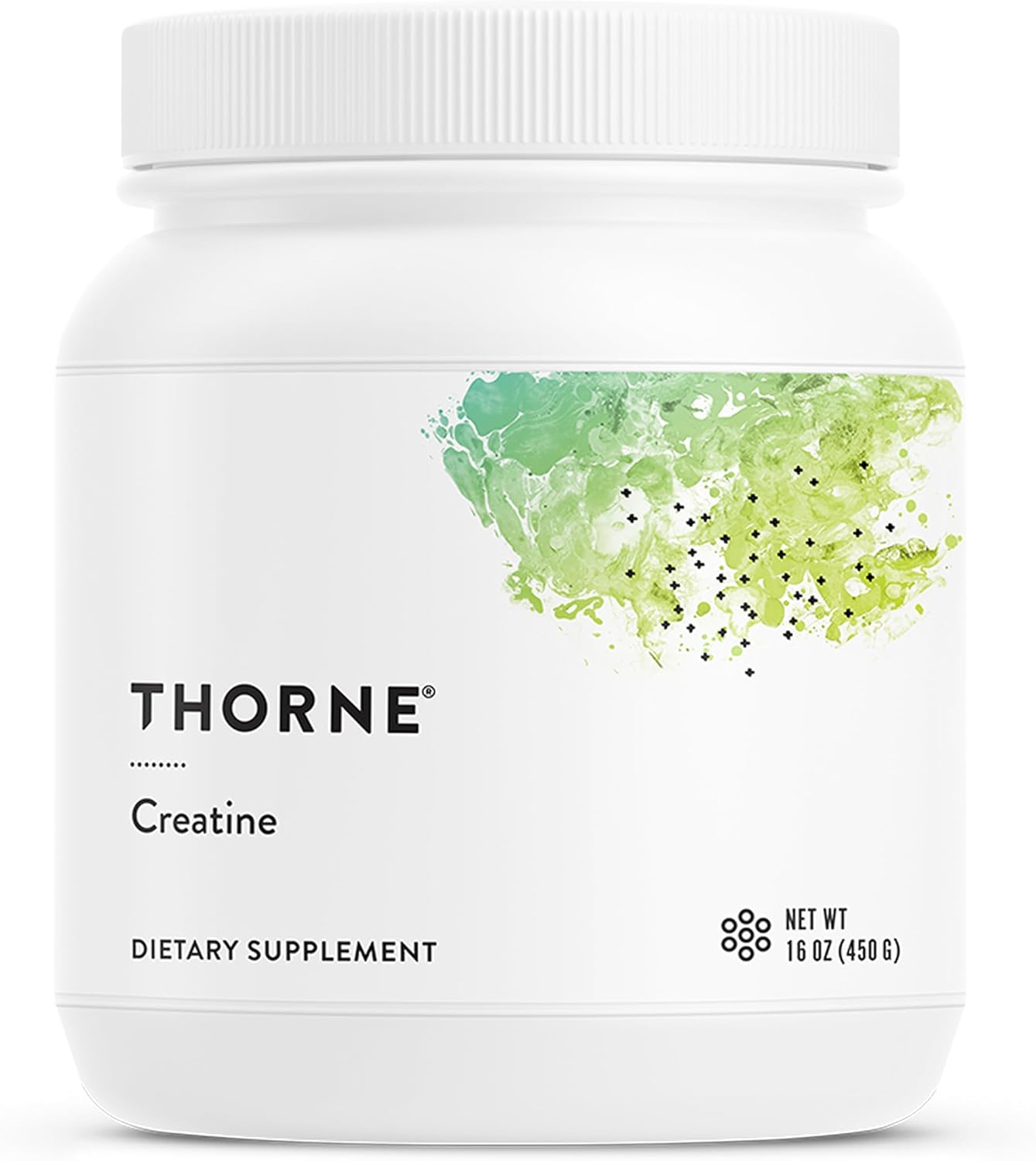
Recommended product

Creatine monohydrate

The most-studied strength supplement on the market.

The consensus recommendation

AI summary

Supplement daily with 3 to 5 grams of creatine monohydrate powder to support muscle strength, cognitive function, and bone health, ensuring it is paired consistently with high-intensity resistance training. To saturate muscle stores, you can either execute a loading phase of 20 grams daily split into multiple doses for 5 to 7 days, or simply take the standard daily dose to reach full saturation in about a month. While intake timing is highly flexible, taking creatine with a carbohydrate- or protein-rich meal enhances absorption, and using a micronized powder or splitting your daily dose can prevent gastrointestinal discomfort.

Dose
5g
  • Tommy Wood
    Better Brain Fitness
    “probably why the benefits of Tommy's favorite supplement, creatine, are disproportionately good for the brain, because it specifically helps with energy production”
  • Rhonda Patrick
    FoundMyFitness
    “it's really evolved over the last 40 years. It's gone from athletes getting bigger, stronger, faster. Now we're looking at potential benefits on bone health, brain health, cardiovascular health”
  • Rhonda Patrick
    FoundMyFitness
    “when you compare creatine and weight training to creatine, placebo and weight training, there is a greater increase in lean body mass, muscle size as well as muscle performance”
    daily
  • Rhonda Patrick
    FoundMyFitness
    “when we take in a little bit more, there is some substantial beneficial effects across the whole board. Not just muscle. We're now looking at bone, brain and the immune system.”
    daily
  • Rhonda Patrick
    FoundMyFitness
    “20 grams a day for about seven days is usually what's recommended. A bit of new information. You only need to do that for two days and then your muscles are saturated.”
    20g · daily during loading
  • Rhonda Patrick
    FoundMyFitness
    “After that you can reduce it as little as 2 grams a day. They call that the maintenance phase.”
    2g · daily
  • Rhonda Patrick
    FoundMyFitness
    “You can take as little as 2 to 3 grams a day, no loading phase, and take that on a daily basis, probably for the rest of your life. And that will definitely accumulate and fill up your muscles in about 30 days.”
    2-3g · daily
  • Rhonda Patrick
    FoundMyFitness
    “If you're taking 5 grams a day...It'll take you 21 days to fully saturate your skeletal muscles.”
    5g · daily
  • Rhonda Patrick
    FoundMyFitness
    “when you look at creatine in older adults with resistance training, it did improve tasks of functionality. Sit to stand.”
    daily
  • Rhonda Patrick
    FoundMyFitness
    “If you're taking five grams, take about two and a half grams in the morning, wait at least six hours and two and a half grams later also take it with food.”
    2.5g per administration · morning and evening, separated by at least 6 hours · twice daily
  • Rhonda Patrick
    FoundMyFitness
    “Start with three grams, one and a half morning and evening, then move it up to five, two and a half, then move it up to nine, three, three and three.”
    3g initial (1.5g + 1.5g), progressing to 5g (2.5g + 2.5g), then 9g (3g + 3g + 3g) · morning and evening, or distributed across meals · daily, multiple times per day
  • Rhonda Patrick
    FoundMyFitness
    “if you work out twice a day, you're taking creatine twice a day. But if you take it in the morning and then work out later in the night, that's totally fine. I'm a big proponent of taking in close proximity to exercise. An hour pre and post most.”
    5g · within 1 hour before or after exercise · daily, or per workout if multiple per day
  • Rhonda Patrick
    FoundMyFitness
    “I now recommend, take it every day. Just get it like a multivitamin, whatever you're doing.”
    5-10g · daily
  • Rhonda Patrick
    FoundMyFitness
    “The monohydrate form is the one to aim for. Don't be fooled by creatin Insert, your favorite derivative. Monohydrate is the one that's been most studied”
  • Rhonda Patrick
    FoundMyFitness
    “it definitely seems to increase training volume. So that's either the load by the reps, by the set or exercise capacity. From a cardiovascular perspective, it definitely, if you were to choose one thing, why creatine has been so effective, it's improving muscle strength”
  • Rhonda Patrick
    FoundMyFitness
    “creatine really speeds up that recovery, which is great for the average person. They don't have a lot of time to work out. They can't wait around for three to five minutes in between a really intense set”
    between sets
  • Rhonda Patrick
    FoundMyFitness
    “combining creatine and protein will probably give you a superior effect. There's been two studies that show you get greater increase in in muscle performance and lean body mass when you combine creatine with protein.”
    post-exercise meal or with breakfast · daily
  • Rhonda Patrick
    FoundMyFitness
    “Standard recommendations are 3 to 5 grams per day, but the question is should some people take higher doses? We discuss creatine and whether or not we need a loading phase for it or if you can just start with a daily dose. We also talk about different forms of creatine. Monohydrate is the gold standard”
    3-5g · daily
  • Rhonda Patrick
    FoundMyFitness
    “The best lines of defense come from triathlon and marathon running where the increase in these markers called cytokines were elevated but creatine sort of attenuated. That rise could allow the individual to recover and get back on the, the track or whichever it is quicker”
    daily
  • Rhonda Patrick
    FoundMyFitness
    “Everybody has a certain weight. We put them on scale and we use 0.1 gram all the way up to 0.14 grams per kilogram. So, for example, if you're 70 kilograms, you're taking 7 grams a day, all the way up to about 9 grams a day.”
    0.1-0.14g per kg body weight · daily
  • Rhonda Patrick
    FoundMyFitness
    “females get an improvement in muscle performance, primarily strength...reduction in bone mineral density, bone strength. And then we're seeing from a sports perspective, agility, balance.”
    2-3g · divided doses, e.g. 1.5g morning and 1.5g evening · daily
  • Rhonda Patrick
    FoundMyFitness
    “the best studies for the brain look at 20 grams a day for at least a week”
    20g · daily
  • Rhonda Patrick
    FoundMyFitness
    “I personally take about 10 grams a day on average”
    10g · daily
  • Rhonda Patrick
    FoundMyFitness
    “during times of metabolic stress, sleep deprivation or jet lag, I'll increase it to 20”
    20g · daily during stress periods
  • Rhonda Patrick
    FoundMyFitness
    “they gave 0.35 grams per kilogram. So even if you're only 70 kilograms, that's 25 grams in a bowl of stove dose. And they measured it for 21 hours of sleep deprivation and it really improved memory, cognition”
    0.35g/kg body weight (e.g., 25g for 70kg person) · daily
  • Rhonda Patrick
    FoundMyFitness
    “if you're in contact sports, creatine should be taken on a daily basis. Because unfortunately if you do get hit in the rodent model when, because you can't do this in humans. But when they've actually forced concussion in rodents, taking creatine beforehand, the recovery symptoms are really accelerated.”
    0.4g/kg body weight (approximately 20g for average adult) · daily
  • Rhonda Patrick
    FoundMyFitness
    “20 grams a day for seven days followed by the maintenance that is only ever been shown to have beneficial effects to muscle”
    20g · daily during loading
  • Rhonda Patrick
    FoundMyFitness
    “the loading phase to me is not needed it from a muscle perspective now, because we've talked about bone and brain might need a bit more. So now maybe the new daily loading phase is maybe, you know, 5, 10 grams a day or a little bit more.”
    5-10g · daily
  • Rhonda Patrick
    FoundMyFitness
    “they've looked at study after study in children, young children, adolescents, and there's no adverse effects... it improves health, agility, coordination, muscle mass.”
    2-3g or 0.1g per kilogram body weight; up to 5g viable · daily
  • Rhonda Patrick
    FoundMyFitness
    “Creatine monohydrate, is that still the gold standard for supplementing with creatine? If so, why?”
  • Rhonda Patrick
    FoundMyFitness
    “With food seems to increase the absorption because of the insulin from carbohydrates and, or some of the effects of fat.”
    with meals
  • Rhonda Patrick
    FoundMyFitness
    “a lot of people had a myth of creatine increased body fat. We don't see any evidence to that. We're seeing at best about a 1% decrease in body fat and about 0.5 kilogram reduction over time in combination with weight training.”
  • Rhonda Patrick
    FoundMyFitness
    “It super hydrates the muscle. Creatine is trapping water into the cell. It also has been shown to increase extracellular water and total body water in some studies. Creatine might actually help hydrate the muscle and decrease the chance of muscle cramping or dehydration.”
  • Rhonda Patrick
    FoundMyFitness
    “the creatine molecule, whichever does not increase urinary output...there's no evidence to suggest the molecule itself stimulates urination.”
  • Rhonda Patrick
    FoundMyFitness
    “As supplements go, it came and stayed...Its effects are pretty mild on muscle, but they're there, they're potent, they last. Now, the brain and the cognitive side of things, the evidence is growing in that area too.”
    4-5g · daily
  • Rhonda Patrick
    FoundMyFitness
    “it's really evolved over the last 40 years. It's gone from athletes getting bigger, stronger, faster. Now we're looking at potential benefits on bone health, brain health, cardiovascular health, even in children and during pregnancy”
  • Rhonda Patrick
    FoundMyFitness
    “the developing brain making its own creatine... uses 20% of our daily energy. And of course during development that's when it's very, very precious as well.”
    daily
  • Rhonda Patrick
    FoundMyFitness
    “The lowest dose ever been shown to be effective is 8 grams of monohydrate a day. Now, as we just talked about, 3 to 5 grams is great for muscle. But now you're getting into bone.”
    8g · daily
  • Rhonda Patrick
    FoundMyFitness
    “creatine definitely has the potential for a lot of things. But without protein, you know, those two need to be there...especially from an older adult population.”
    8-10g · daily
  • Rhonda Patrick
    FoundMyFitness
    “vegans and vegetarians...respond exceptionally well because we're doubling the amount of creatine...they can do more reps, higher volume, quicker recovery.”
    10-20g · daily
  • Rhonda Patrick
    FoundMyFitness
    “the more that the brain is stressed, the more creatine seems to come to the rescue”
  • Rhonda Patrick
    FoundMyFitness
    “I think a university students, midterm week at final exam, staying up all night cramming, maybe creatine could really improve their ability to score better on tests”
    daily
  • Rhonda Patrick
    FoundMyFitness
    “we've seen some data to suggest that 10 grams might be a good viable dose, more or even a little bit less, depending on why you're taking it. But I personally take it from a whole body perspective.”
    10g · daily
  • Rhonda Patrick
    FoundMyFitness
    “they looked at young healthy individuals, biological females and we gave a pretty high dose here, 5 grams plus we added 5 grams of placebo. So 10 grams a day versus a 10 gram placebo... total sleep duration on the days they trained was substantially higher. I think it was about almost an hour compared to placebo.”
    5g · daily
  • Rhonda Patrick
    FoundMyFitness
    “a loading phase and then down to about 5 grams a day. So it has some favorable effects for endothelial, I think, with macro and microvascular function.”
    5g · daily
  • Rhonda Patrick
    FoundMyFitness
    “These are usually the loading phase, light maintenance phase or if they're looking at it from a cellular perspective, it's usually just the loading phase. 7 days pre post they'll do biopsies or cellular data.”
    20g loading then 5g maintenance
  • Rhonda Patrick
    FoundMyFitness
    “it improves the vitality and mobility of sperm... There's no evidence to suggest it downregulates sperm motility health.”
    daily
  • Rhonda Patrick
    FoundMyFitness
    “for those willing to do... resistance bands, anything that you feel mechanical stress, creatine will give you a slightly greater benefit.”
    daily
  • Rhonda Patrick
    FoundMyFitness
    “I now argue you should take it on a daily basis because of the emergence of like, okay, I'm okay with the muscle being full if something's going down the toilet in urination, that's okay. But now I'm hoping our bone is taking in some, our brain is taking in some.”
    daily
  • Rhonda Patrick
    FoundMyFitness
    “we've given 11 grams a day in postmenopausal females to a population where their organs are under a little bit more stress and no adverse effects”
    11g · daily
  • Rhonda Patrick
    FoundMyFitness
    “creatine supplementation may play a role in cognitive function, particularly under stress or sleep. Sleep deprivation, muscle and bone health, especially in aging populations”
  • Rhonda Patrick
    FoundMyFitness
    “I'm one of the big proponents of taking a lot more than probably what's recommended based on the evidence based research, to sort of disperse throughout the whole body, not just skeletal muscle.”
    daily
  • Rhonda Patrick
    FoundMyFitness
    “as we get older, we have reduced fossil creatine stores in our body, so they might need more.”
    daily
  • Rhonda Patrick
    FoundMyFitness
    “as little as about 5 grams has been shown to have some potential”
    5g · daily
  • Rhonda Patrick
    FoundMyFitness
    “creatine decreases body fat in individuals 18 and above”
  • Rhonda Patrick
    FoundMyFitness
    “I would just continue on or even slightly a bit more. Because when the tissue is under trauma, trauma you get heightened inflammation, reactive oxidative species or stress and then protein breakdown.”
    maintain current dose or increase slightly · daily
  • Rhonda Patrick
    FoundMyFitness
    “I've assessed easily over a thousand people, males and females. Not a single person said their hair to follow. And there's been a paper submitted that have looked directly at hair follicle loss and thinning with creatine supplementation”
  • Rhonda Patrick
    FoundMyFitness
    “in these sub populations, primarily females with clinical depression, it's really starting to have some speed up recovery and decrease some of the symptoms”
  • Rhonda Patrick
    FoundMyFitness
    “from an injury perspective it seems to speed up recovery...it probably has to do that reduction in protein breakdown or the anti catabolic, anti inflammatory effect”
  • Rhonda Patrick
    FoundMyFitness
    “Even if you have chronic kidney disease, there's some benefits because it'll help the kidneys absorb creatine.”
    daily
  • Rhonda Patrick
    FoundMyFitness
    “the big one we're getting a lot is does it increase hypertension or blood pressure pressure? And we're not seeing any adverse effects there”
  • Rhonda Patrick
    FoundMyFitness
    “That's a new form to get away from some of the things you mentioned on GI tract irritation... It dissolves exceptionally well. Get away from that grittiness that the creatine can cause in solution.”
  • Rhonda Patrick
    FoundMyFitness
    “potentially improving glucose disposal. Again, if there's more muscle activation, you have more glute, four doorways, maybe more glucose gets in.”
  • Rhonda Patrick
    FoundMyFitness
    “we do not see any evidence it disrupts sleep. Although we talked about the study earlier, it doesn't have any negative effects there”
  • Rhonda Patrick
    FoundMyFitness
    “we're starting to do a study in northern Iowa to look at the effects of creatine now in individuals with cognitive decline”
  • Rhonda Patrick
    FoundMyFitness
    “I supplement with glutamine and creatine. My 5 grams of...with creatine, 5 grams of creatine and it has made A insanely big difference in my susceptibility to respiratory illness”
    5g · daily
  • Andrew Huberman
    Huberman Lab
    “If you want to continue to improve, you have to have some method of overload adaptation physiologically happens as a byproduct of stress, so you have to push a system.”
  • Andrew Huberman
    Huberman Lab
    “the kind of standard recommendation would be 5 grams per day. And if you're not exercising, I really wouldn't bother taking creatine.”
    5g · daily
  • Andrew Huberman
    Huberman Lab
    “I was taking the 5 grams a day because that's really what most of the studies show. Creatine monohydrate. That's the most well researched form of creatine.”
    5g · daily
  • Andrew Huberman
    Huberman Lab
    “I would go with a powder form of creatine monohydrate over a gummy. It can get you an extra rep or two in the gym or cut a second off your sprint.”
  • Andrew Huberman
    Huberman Lab
    “Some people are very sensitive to a 10 gram dose where they might like get a GI irritation effect...I do spread it out and I take it. I don't take it at night, I like to take mine in the morning.”
    10g total (split into multiple doses) · morning (split across day, not at night) · daily
  • Andrew Huberman
    Huberman Lab
    “there is data in the literature showing that if you give younger, younger children that are doing like for example, sports like soccer, it does seem to improve their agility and it seems to be safe. I do give my son two and a half grams of creatine, so a day.”
    2.5g · daily
  • Andrew Huberman
    Huberman Lab
    “The phosphocreatine system seems to be somewhat biased towards forebrain structures...there might be a heavier reliance on it for brain areas that are associated with strategic planning and working memory.”
  • Andrew Huberman
    Huberman Lab
    “creatine is important to make energy. And when your brain cells are stressed out, right? I mean like energy, energetic demand goes up. And if you have more creatine, it's gonna make things easier.”
    10g · morning · daily
  • Andrew Huberman
    Huberman Lab
    “if you give someone, it's like something like 0.35 grams per kilogram body weight weight of creatine...if you give individuals that high dose in that, you know, sleep deprived state that they're cognitively not only performing normal, but they're performing better than their baseline.”
    20-25g (0.35g per kg body weight) · during acute sleep deprivation episodes
  • Andrew Huberman
    Huberman Lab
    “it seems pretty good at improving exercise volume recovery as well. I mean, that's also something that's been shown.”
  • Andrew Huberman
    Huberman Lab
    “I gotta have my 10 grams of creatine for my brain. You know, who knows? I may in five years be like, I was wrong.”
    10g · daily
  • Andrew Huberman
    Huberman Lab
    “omega 3s, creatine... trying to make sure you're not deficient anywhere or for specific reasons”
  • Glenn McConell
    Inside Exercise
    “for the purposes of the rest of the podcast, we're going to be referring to monohydrate because it's the most safest and effective form of creatine”
    3-5g
  • Glenn McConell
    Inside Exercise
    “if you put in the effort in the gym, you know, maybe you have more cellular energy to lift a little bit heavier weight or echo a couple more reps over time”
    daily
  • Glenn McConell
    Inside Exercise
    “our lab is primarily looked at a relative dose, 0.1 gram per kilogram. So if you're 70 kilograms, that's 7 grams a day. If you're 100 kilograms like a lineman, you're taking 10.”
    0.1g per kilogram body weight · daily
  • Glenn McConell
    Inside Exercise
    “creatine compared to about 8 to 12% for those on placebo. So the percent increase in strength is by far more important.”
    daily
  • Glenn McConell
    Inside Exercise
    “creatine will only work if you put the effort in to get the results... exercise is the cake. The icing is protein, other macronutrients, and maybe creatine provides a bit of sprinkles on top.”
  • Glenn McConell
    Inside Exercise
    “creatine really should in theory work the longer the anaerobic event goes or the more seconds...multiple sets of weightlifting or multiple sprints is kind of when you see creatine really come to the aid”
  • Glenn McConell
    Inside Exercise
    “they respond very favorably to supplementation is to that point they're not eating any dietary creatine... their percent will go up at least 40%, if not more”
    daily
  • Glenn McConell
    Inside Exercise
    “resistance training and creatine has been shown to be a therapeutic intervention for older adults primarily by improving strength, muscle mass and functionality”
  • Glenn McConell
    Inside Exercise
    “creatine without exercise has minimal to no effect on any of those protein kinase”
    daily
  • Glenn McConell
    Inside Exercise
    “Creatine does cause swelling, but it still needs the mechanical stimuli to turn over the muscle protein pathways of synthesis and breakdown. Genes can be turned on without exercise, but they become synergistic with mechanical stimuli.”
  • Glenn McConell
    Inside Exercise
    “Mark Turnipolski clearly showed that's not the case in humans...if you take creatine, you're not going to downregulate your MRNA transporter”
  • Glenn McConell
    Inside Exercise
    “there's no difference. You can take creatine before, during or after exercise, you can take it in the morning or evening. We're not seeing a timing issue whatsoever.”
    flexible - before, during, after exercise or morning/evening · daily
  • Glenn McConell
    Inside Exercise
    “Emphasize food first. But for those who need a supplement, please note, there's no timing effect. It's not going to be a magical cure.”
    daily
  • Glenn McConell
    Inside Exercise
    “we looked at about 11 grams a day for two straight years in postmenopausal females...we measured liver and kidney enzymes annually and there was no detrimental effects”
    11g · daily
  • Glenn McConell
    Inside Exercise
    “monohydrate is true and tested. It's the safest profile... other forms of creatine... the body needs to recognize that creatine molecule for it to be effective.”
  • Glenn McConell
    Inside Exercise
    “supplementation, even at a loading phase, will only increase creatine by about 20% in the muscle...20 to 40% across the whole spectrum”
  • Glenn McConell
    Inside Exercise
    “older adults, primarily in the lower limbs, respond so well. There is evidence that those muscles atrophy as we get older type 2 muscle fibers specifically”
    daily
  • Glenn McConell
    Inside Exercise
    “if you combine creatine with resistance training, and the lowest dose was 8 grams, all the way up to about 11, you can get some small favorable effects to the skeleton”
    8-11g · daily
  • Glenn McConell
    Inside Exercise
    “basically it was quite noticeable that they, they actually got bigger and stronger on the creatine, even though we matched it to the exact kilogram”
    daily
  • Glenn McConell
    Inside Exercise
    “your training volume went up on creatine...your training volume went up on creatine. That probably explains a lot of the adaptations”
  • Glenn McConell
    Inside Exercise
    “20 grams a day for five to seven days completely saturates your skeletal muscles. Maximal saturation occurred after two to three days. Then maintain with 2 to 3 grams a day.”
    20g/day loading, then 2-3g/day maintenance · daily
  • Glenn McConell
    Inside Exercise
    “5 grams a day with or without the loading phase from a skeletal muscle perspective is more than enough. Will get you to saturation levels in about a month.”
    5g · daily
  • Glenn McConell
    Inside Exercise
    “the study that needs to be done, they asked me all the time is cycling better than continuous. And there's no evidence to suggest otherwise.”
    continuous daily dosing preferred
  • Glenn McConell
    Inside Exercise
    “they had a huge reduction in cytokines. So tumor necrosis factor alpha interleukin 6 after the race compared to placebo. So although those cytokines are really important... chronic elevations may jeopardize recovery”
    before race
  • Glenn McConell
    Inside Exercise
    “if you're cycling off it and you want to maintain activity or eat salmon or seafood or red meat, that's going to help elevate as well”
    cycled protocol optional
  • Glenn McConell
    Inside Exercise
    “I doubt it would even increase cognitive effects because I would not see in that population any reason to speculate. The brain is compromised.”
  • Glenn McConell
    Inside Exercise
    “a boring nutrient that we're naturally producing is found in red meat and seafood. Or you can take a boring white powder or now it's probably in candies and gummies and things like that.”
  • Glenn McConell
    Inside Exercise
    “the creatine would help you to do a greater volume... the seven sets or 52 or whatever... that's where it would probably show some benefit on recovery and performance of volume.”
  • Glenn McConell
    Inside Exercise
    “there's a false positive with creatine supplementation and kidney failure. It does make creatinine, and that's why... it doesn't destroy your kidneys.”
  • Glenn McConell
    Inside Exercise
    “I thought timing would be very important with creatine... post exercise would be superior. Study after study clearly shows it needs to accumulate. It's not like caffeine.”
  • Glenn McConell
    Inside Exercise
    “We've published a few studies now not showing any benefit even at 20 grams a day. Probably because the brain says, I don't need it, it's very healthy and it's not compromised.”
    20g · daily
  • Glenn McConell
    Inside Exercise
    “in select populations that have inborn creatine deficiencies, vegans and vegetarians... if you have any metabolic stressors, Covid came to mind. Depression, anxiety, any mental health issues. Could creatine provide any benefit?”
  • Glenn McConell
    Inside Exercise
    “there's good evidence in older adults. It can improve some aspects of health in young adults.”
  • Glenn McConell
    Inside Exercise
    “The solution was superior to even meat and an extract. So that's why I think a lot of people mix up their powder and put it in a solution or whichever and just drink it.”
  • Glenn McConell
    Inside Exercise
    “if you're not on creatine and it takes three to five minutes after about to resynthesize it naturally. The theory is that it could be sped up with creatine supplementation”
  • Glenn McConell
    Inside Exercise
    “A compromised brain, concussion, depression, anxiety, that's the areas we see some efficacy with creatine supplementation, not a lot, but there is promise”
  • Glenn McConell
    Inside Exercise
    “we do see GI tract issues and some acute stressors during the loading phase. So we can't say. No, there's absolutely not. We, we do see that when people take a high dose for about five to seven days.”
    high dose
  • Glenn McConell
    Inside Exercise
    “we have no evidence to suggest that creatine causes baldness... we've never had a study measure follicle loss or thinning. I've assessed well over a thousand people... not a single person has ever said my hair was thinning.”
  • Glenn McConell
    Inside Exercise
    “sleep deprivation or hypoxia seem to have some better evidence from an effect size. So if the brain is not compromised, you're sleeping well...you're probably not going to get or notice any of the effects.”
  • Glenn McConell
    Inside Exercise
    “the theory is you need higher dose to get in there. So I think that's where that 10 grams or more came about. Muscle is low, but those other tissues that only get less than 5% going in... 95% go to your muscle.”
    10g or more for brain tissue
  • Glenn McConell
    Inside Exercise
    “Additional paper on long Covid showing 4 grams over 6 months increased brain creatine levels.”
    4g · daily
  • Glenn McConell
    Inside Exercise
    “habitual dietary creatine has been correlated with positive aspects to cognition, memory, and potentially antidepressant ideas... people with low amounts of dietary creatine have heightened increases of depressive symptoms.”
  • Glenn McConell
    Inside Exercise
    “The big potential is neurophysiological conditions. Parkinson's, Huntington's, Lou Gehrig's disease, Alzheimer's. Those have a common denominator in theory, that they have reduced brain bioenergetics.”
  • Glenn McConell
    Inside Exercise
    “there's evidence in, of course, now you're back in Australia, Stacey Ellery is now reporting that it can have some benefits to the developing fetus and pregnancy. And that's an area that's emerging and a lot of caution needs to be there.”
  • Glenn McConell
    Inside Exercise
    “If the brain is compromised, creatine can have some favorable effects, but we need a lot more data with that as well.”
  • Danny Lennon
    Sigma Nutrition Radio
    “creatine supplementation improves the performance of high intensity exercise, particularly repeated bouts. And I think it is probably most valuable to use as a training aid to improve your strength and conditioning.”
  • Danny Lennon
    Sigma Nutrition Radio
    “99% of the research on safety and efficacy is on creatine monohydrate. It has fantastic shelf life in its powdered form, it's inexpensive, it's readily available and it's absorbed about 99%.”
  • Danny Lennon
    Sigma Nutrition Radio
    “we've proven again and again and again in hundreds of studies and multiple meta analyses and reviews that this is an effective nutrient to improve muscular performance”
  • Danny Lennon
    Sigma Nutrition Radio
    “20 grams per day for about five days and the two high dose short duration increased muscle creatine levels to saturate the muscles, that's valid. Or 3 to 5 grams per day for about a month to saturate muscle levels”
    20g or 3-5g · daily
  • Danny Lennon
    Sigma Nutrition Radio
    “if this increases your muscular strength and reduces muscle fatigue, this would be a really good thing for older adults, maybe patients with muscular dystrophy, patients across a variety of different neuromuscular conditions, mitochondrial disease.”
  • Danny Lennon
    Sigma Nutrition Radio
    “If you are a high risk athlete in terms of a traumatic brain injury and you have just had a traumatic brain injury, then I think the higher dose makes sense”
  • Danny Lennon
    Sigma Nutrition Radio
    “if you and I were to do an exhaustive cognitive exercise to induce mental fatigue...you will benefit from a creatine supplement. It'll reduce the fog, it'll reduce the decline in cognitive processing”
  • Danny Lennon
    Sigma Nutrition Radio
    “If we're talking to mental fatigue...in the military, there's incredible application here...vigilance and cognitive performance”
  • Danny Lennon
    Sigma Nutrition Radio
    “21 hours of sleep deprivation, one 20 gram dose of creatine improved cognitive processing. So they were able to rescue the people from that decline in cognition”
    20g · acute, during or before sleep deprivation · single dose
  • Danny Lennon
    Sigma Nutrition Radio
    “why aren't you just considering creatine as part of your daily health regimen just like you do exercise and the other things you do to maintain your health”
    daily
  • Danny Lennon
    Sigma Nutrition Radio
    “most of those big organizations will use that as part of a post concussion protocol in, in pro sports. It's pretty much across the board”
  • Danny Lennon
    Sigma Nutrition Radio
    “If she had a head injury, I would advise her to Start taking creatine supplements right away, probably 20 grams per day. And then seeing how things worked out in terms of the injury.”
    20g · immediately after head injury · daily
  • Danny Lennon
    Sigma Nutrition Radio
    “I have a very prudent approach...I think we need a lot more data on concussion...I don't know why you're not taking creatine if you're high risk for a brain injury. I think we have to apply that thinking to Alzheimer's, to aging, to depression”
  • Danny Lennon
    Sigma Nutrition Radio
    “we have about 20 studies, and about 75% of them show improved cognitive performance... with all that noise, 75% of the literature at this point is still showing an improvement in some aspect of cognitive processing”
  • Danny Lennon
    Sigma Nutrition Radio
    “we have some data that's quite promising to show improvements in bone health”
  • Matthew Walker
    The Matt Walker Podcast
    “Participants took 5 grams of creatine monohydrate four times daily for seven days before the experiment. They then underwent 24 hours of sleep deprivation with intermittent mild exercise.”
    5g · 4 times daily
  • Matthew Walker
    The Matt Walker Podcast
    “They took 15 healthy adults through a rigorous protocol 21 hours of sleep deprivation in a controlled laboratory setting with either a single dose of creatine, zero point grams per kilogram of body weight, or a placebo.”
    0.3g per kilogram of body weight · before 21-hour sleep deprivation period · single dose
  • Matthew Walker
    The Matt Walker Podcast
    “Recent research points to two interventions, creatine supplementation and high intensity exercise, that appear to help buffer some of the consequences”
  • Eric Trexler
    The Stronger By Science Podcast
    “each kind of segment of this study was just three weeks long, they would do a one week loading phase followed by 14 days with a maintenance dose of 5 grams of creatine”
    25g loading, then 5g maintenance · daily
  • Eric Trexler
    The Stronger By Science Podcast
    “the stock recommendation for a maintenance dose of creatine for the muscle related effects is like 3 to 5 grams a day”
    3-5g · daily
  • Eric Trexler
    The Stronger By Science Podcast
    “0.03 grams per kilogram is already a body weight scaled recommendation...if you're like 100 kilos, like 223 grams a day should be plenty”
    0.03g per kg body weight · daily
  • Eric Trexler
    The Stronger By Science Podcast
    “the group just taking 3 grams a day without a loading phase, they got up to the same muscle creatine concentrations as the group that did the loading phase...pretty close after 21 days. And they were, they were there at 28.”
    3g · daily
  • Eric Trexler
    The Stronger By Science Podcast
    “five grams a day is plenty. Yeah, like that is already the better safe than sorry dose.”
    5g · daily
  • Eric Trexler
    The Stronger By Science Podcast
    “creatine monohydrate will fully saturate your muscle creatine levels. That is ultimately what you're trying to accomplish.”
    5g · after a workout optimal but timing irrelevant after saturation · daily
  • Eric Trexler
    The Stronger By Science Podcast
    “if 2 grams a day is sufficient to maintain that...that's strong evidence that it's sufficient to maintain maximal concentrations”
    2g · daily
  • Eric Trexler
    The Stronger By Science Podcast
    “if this one guy wanted to take a better safe than sorry dose of creatine, maybe he could bump it up to 6 grams”
    6g · daily
  • Eric Trexler
    The Stronger By Science Podcast
    “creatine supplementation affects myogenic regulatory factors such as MyF5, MyOD, Myogenin and MRF4 potentially due to its effects on IGF1”
  • Eric Trexler
    The Stronger By Science Podcast
    “I think creatine probably does cause a bit of bloating. The acute increases in body mass that are attributable to creatine supplementation are not fully attributable to increases in muscle mass.”
  • Eric Trexler
    The Stronger By Science Podcast
    “a six day loading phase where people took 20 grams of creatine per day followed by 30 days of taking 2 grams a day”
    20g loading, then 2g maintenance · daily during loading and maintenance phases
  • Eric Trexler
    The Stronger By Science Podcast
    “the loading phase gives you a point of comparison. Like, it gets you to max concentrations...the group just taking 3 grams a day without a loading phase...got up to the same muscle creatine concentrations”
    4-5x maintenance dose · as a one-time phase
  • Eric Trexler
    The Stronger By Science Podcast
    “micronized creatine is what I would go with first. If you get some tummy issues”
  • Eric Trexler
    The Stronger By Science Podcast
    “You don't need to take creatine, like, right before a workout for it to be effective for the workout. Right. Like, it's just kind of getting it into your system.”
    flexible; not required pre-workout
  • Eric Trexler
    The Stronger By Science Podcast
    “you can leave creatine and water at room temperature for like several hours and like some breakdown will occur but like in excess of 90% of the creatine will still be in there”
  • Eric Trexler
    The Stronger By Science Podcast
    “I know that it's particularly good for vegetarians and vegans. Like, I've also heard you recommend it to our friends who don't eat meat. Because I think creatine is something that omnivores get some of in their diet.”
  • Eric Trexler
    The Stronger By Science Podcast
    “I generally just forego the loading phase...instead of taking three or four days to saturate, it takes like three or four weeks to saturate”
    5g maintenance dose (implied) · daily
  • Eric Trexler
    The Stronger By Science Podcast
    “creatine reduces myostatin levels to some extent. So that could also be like a more direct way that it influences muscle growth”
  • Eric Trexler
    The Stronger By Science Podcast
    “When people take creatine, like when they, when they supplement creatine and fully saturate their muscle creatine stores, that seems to top out at a concentration of about 160 millimoles per kilogram of dry mass”
  • Eric Trexler
    The Stronger By Science Podcast
    “if you want some of the potential like mental or cognitive benefits of creatine supplementation...you probably need more than 5 grams a day for that”
    >5g (10g mentioned as example) · daily
  • Eric Trexler
    The Stronger By Science Podcast
    “if you get some tummy issues when using creatine monohydrate, I think it's probably worth experimenting with alternate forms of creatine”
  • Eric Trexler
    The Stronger By Science Podcast
    “if you're doing a loading phase, which again, you don't need to do, but if you want to, I would definitely recommend splitting a loading phase into multiple doses because even if a maintenance dose of creatine doesn't give you an upset tummy, like 25 grams at once, there's a decent chance it will.”
    25g total · split into multiple doses
  • Eric Trexler
    The Stronger By Science Podcast
    “My understanding is that it increases the ability to gain muscle and maybe helps with muscular endurance in the gym.”
  • Eric Trexler
    The Stronger By Science Podcast
    “creatine absorption and muscle creatine uptake seems to be a little bit greater if you consume it with some carbohydrate instead of just by itself.”
    with carbohydrate-containing meal or post-workout · daily
  • Eric Trexler
    The Stronger By Science Podcast
    “creatine can also buffer free radicals...there's some level of oxidative stress that is good, there is some level that is bad”
  • Tim Spector
    ZOE Science & Nutrition
    “If you combine it with exercise, you will increase your muscle mass. The problem is, Jonathan, it's only by 1.7%.”
  • Tim Spector
    ZOE Science & Nutrition
    “you tried creatine for a bit, then you look deeper into the results you saw it gave you 1.7% improvement... potential early evidence that it could delay dementia”
    daily

Number 3

Aerobic and cardiovascular endurance training

Engaging in structured moderate-intensity aerobic work, steady-state cardio, and Zone 2 running or cycling.

Aerobic and cardiovascular endurance training

Recommended by 7 of our experts, including Rhonda Patrick, Eric Topol, Andrew Huberman, and 4 others.

The consensus recommendation

AI summary

Establish a consistent cardiovascular training routine of 150 to 300 minutes of moderate aerobic activity, or 75 to 150 minutes of vigorous exercise, spread over 4 to 5 days per week. For the majority of your training volume, perform Zone 2 steady-state sessions—such as brisk walking, cycling, or running for at least 30 minutes—maintaining an intensity where you can comfortably converse but not sing. To maximize longevity benefits and reverse cardiac aging, incorporate higher-intensity vigorous efforts once or twice a week to elevate your heart rate, induce sweating, and challenge your breathing to the point where conversation is difficult.

  • Rhonda Patrick
    FoundMyFitness
    “1 minute of vigorous intensity physical activity was equivalent to about 4 minutes of moderate intensity activity...4 times as potent at reducing the risk of all cause mortality”
  • Rhonda Patrick
    FoundMyFitness
    “for every one minute of vigorous intensity physical activity, you had to perform 7.8 minutes, almost 8 minutes of moderate intensity physical activity to get the same reduction risk in cardiovascular related mortality”
  • Rhonda Patrick
    FoundMyFitness
    “For every one minute of vigorous intensity physical activity, you had to spend about 9.4 minutes doing moderate intensity physical activity...almost 10 times as powerful at reducing the risk of developing type 2 diabetes”
  • Rhonda Patrick
    FoundMyFitness
    “for every one minute of vigorous intensity physical activity, you had to spend about 3.4 or 3.5 minutes doing moderate intensity physical activity to get the same reduction in cancer mortality”
  • Rhonda Patrick
    FoundMyFitness
    “one minute of vigorous activity was equal to 53 to 94 minutes of light activity...an hour equivalent to an hour of like gentle walking”
  • Rhonda Patrick
    FoundMyFitness
    “For diabetes prevention, it was nearly an hour and a half. So 94 minutes of light activity was equal to 1 minute of vigorous intensity activity”
  • Rhonda Patrick
    FoundMyFitness
    “For cardiovascular disease outcomes, 73 minutes for cardiovascular disease mortality, 86 minutes for major adverse cardiovascular events”
  • Rhonda Patrick
    FoundMyFitness
    “for cancer mortality, this one was the largest one. Um, one minute of vigorous activity was equal to 156 minutes. So nearly two and a half hours of light intensity activity”
  • Rhonda Patrick
    FoundMyFitness
    “30 to 40 minutes per day doing this vigorous type of exercise. And that was associated with 50 or more greater reduction in like many of these categories for health outcomes, you know, cardiovascular related mortality all cause mortality.”
    daily
  • Rhonda Patrick
    FoundMyFitness
    “vigorous intensity was almost 10 times as effective. Right. That's big... almost 1 to 10 ratio... new diagnosis of diabetes”
    as part of daily movement
  • Rhonda Patrick
    FoundMyFitness
    “if you're doing more vigorous movement, you're activating these type 2 fibers more and you're giving them more of a stimulus. And type 2 fibers are the type of fibers that will atrophy first”
    throughout the day · daily
  • Rhonda Patrick
    FoundMyFitness
    “once you hit that sort of 150 minutes of moderate to vigorous whichever, okay. That's the guidelines”
    150 minutes/week
  • Rhonda Patrick
    FoundMyFitness
    “participants who had been sedentary for most of their lives put them on a structured graduated training regimen. This program culminated in five to six hours of physical activity per week sustained over two years”
    5-6 hours per week
  • Rhonda Patrick
    FoundMyFitness
    “the committed exercisers alone, those who consistently exercised at least four to five days per week, who saw significant benefits in staving off the gradual increase in cardiac stiffening and and heart shrinkage seen later in life”
    4-5 days per week
  • Rhonda Patrick
    FoundMyFitness
    “four to five days a week got us most of the way there, close to the competitive athletes. Not exactly the same, not all the way there, but pretty close. So that gave us the sense that the optimal dose, if you will, of physical activity is four to five days a week over a lifetime.”
    4-5 days/week
  • Rhonda Patrick
    FoundMyFitness
    “you need both of those to be able to maintain functional capacity”
  • Rhonda Patrick
    FoundMyFitness
    “one day of a long session that lasts at least an hour. And it should be fun. It could be going square dancing, a long walk, or long bike ride”
    weekly
  • Rhonda Patrick
    FoundMyFitness
    “exercising hard enough that you get a little sweat on your brow. You can still talk, but you're a little short of breath. You can talk but you can't sing”
    2-3 sessions per week
  • Rhonda Patrick
    FoundMyFitness
    “having a nice regular flexible aorta becomes really essential...the advantages and the reasons why high aerobic power improves mortality is it preserves vascular structure, improves endothelial function”
  • Rhonda Patrick
    FoundMyFitness
    “suggesting that cardiorespiratory fitness be included as a vital sign. You know, the same thing as your blood pressure and your body weight.”
    at medical visits
  • Rhonda Patrick
    FoundMyFitness
    “we said, okay, let's take a group of those late middle agers in the sweet spot, let's train them hard, train them increasingly fit over a year, and then sustain that at our perfect dose, that four to five days a week. And we'll do that for two years. And lo and behold, we were able to reverse the effects of sedentary aging”
    4-5 days/week at high intensity
  • Rhonda Patrick
    FoundMyFitness
    “up to about 50 minutes per day. You kind of saw this Linear dose response. This risk reduction after about 50 minutes per day of moderate activity.”
    daily
  • Rhonda Patrick
    FoundMyFitness
    “higher intensities of exercise increase metabolic demand and oxygen demand, forcing stroke volume to go up, which is the main thing that increases when VO2 max increases”
  • Rhonda Patrick
    FoundMyFitness
    “the more intense the exercise stimulus you're in, you're actually generating inflammatory compounds, IL6...IL six peaks and then like it shifts...you start to see IL10, which is an anti inflammatory cytokine. And this strong anti inflammatory response...lasts throughout the day”
  • Rhonda Patrick
    FoundMyFitness
    “two to three days of exercise over lifetime had no effect at all. It did not protect against that aging effect. Four to five days a week got us most of the way there”
    minimum 4-5 days/week required for protection
  • Rhonda Patrick
    FoundMyFitness
    “after about age 30 to 40, your VO2 max starts to decline about 10% per decade. If you're not engaging in moderate to vigorous intensity exercises at age 40, 50, 60, 70, your VO2 max is just going to continue to drop”
  • Rhonda Patrick
    FoundMyFitness
    “about 150 minutes to 300 minutes of moderate intensity physical activity per week”
    weekly
  • Rhonda Patrick
    FoundMyFitness
    “if you're going to be doing more vigorous, intense, vigorous type of physical activity, that would be more like 75 to 150 minutes”
    weekly
  • Rhonda Patrick
    FoundMyFitness
    “vigorous activity is running, swimming, more recreational sports, or if you're like, you know, playing with your kids outside, sprinting around, playing with your puppy or your dog”
  • Rhonda Patrick
    FoundMyFitness
    “moderate activity is like brisk walking, so you're walking more briskly or you're, you're maybe doing a leisurely cycle, you're doing some yard work”
  • Rhonda Patrick
    FoundMyFitness
    “not even high intensity interval training, just vigorous, purposeful kind of efforts, Zone 2 or above, have this massively outsized benefit on health outcomes compared to light intensity activity”
  • Rhonda Patrick
    FoundMyFitness
    “It was just for all cause mortality and diabetes was for light activity. Cancer did have that huge equivalence when it came to the light versus vigorous. So it was like 200, 156 minutes I think of, you know, light activity you needed for the risk reduction.”
    daily
  • Rhonda Patrick
    FoundMyFitness
    “75 minutes to 150 minutes of vigorous intensity activity... 150 minutes to 300 minutes of moderate intensity activity, that 1 to 2 ratio”
    75-150 minutes/week vigorous OR 150-300 minutes/week moderate
  • Rhonda Patrick
    FoundMyFitness
    “if they like going for their leisure walk, very light walk, they can pick up the pace and do some interval walking. And that is, that is something I think a lot of people like”
    during leisure walks · as part of regular walking routine
  • Rhonda Patrick
    FoundMyFitness
    “most of people that are older and let's say they've never really done any kind of vigorous intensity activity. It's not that you have to just start it right away. You can work your way up progressively”
    progressive over time
  • Rhonda Patrick
    FoundMyFitness
    “30 to 40 minutes per week of vigorous intensity activity was associated with like a 50% reduction in some of these outcomes”
    30-40 minutes/week minimum
  • Rhonda Patrick
    FoundMyFitness
    “you're doing really good. Right. So it's not that you have to go and do the vigorous intensity...150 minutes of that normal moderate type of aerobic exercise per week”
    150 minutes per week
  • Rhonda Patrick
    FoundMyFitness
    “a year of training... we had the equivalent of about a 15 year reduction in the apparent vascular age of the circulation. In 70 year olds.”
    at least once or twice weekly vigorous intensity sessions, 4-5 days/week total training
  • Rhonda Patrick
    FoundMyFitness
    “people need to do sustained endurance activity to dilate those blood vessels, cause that relaxation, and let those blood vessels start to relax as the best way to reduce blood pressure”
  • Rhonda Patrick
    FoundMyFitness
    “zone two training is about 20 beats below that. So 130 to 150”
  • Rhonda Patrick
    FoundMyFitness
    “the maximal steady state or threshold or zone three training would be 150 to 160...zone 3 typically is a marathon”
  • Rhonda Patrick
    FoundMyFitness
    “Zone four is what we call critical power. That's the highest intensity you can sustain without failure...zone 4160 to 170...zone 4 is, that's about a 10k pace or so. So you can't run that pace at an entire marathon. Right. But you can run it for, you know, 45 minutes or an hour.”
  • Rhonda Patrick
    FoundMyFitness
    “zone 5170 to 180...5K is run at VO2 max. So 5K is run at. In zone five and anything shorter than that”
  • Rhonda Patrick
    FoundMyFitness
    “the nadir where you reach the maximal cardiovascular benefit is about five hours a week, five maybe up to 10 hours a week for heart failure outcomes”
    5-10 hours/week
  • Rhonda Patrick
    FoundMyFitness
    “as you start to get beyond that for performance, then you have to accept the risk of atrial fibrillation”
    beyond 3-5 hours per week
  • Rhonda Patrick
    FoundMyFitness
    “we're not saying, oh my God, you need to do 300 minutes of high intensity interval training. The Norwegian four by four and yeah, exactly, the Norwegian four by four. It's. You just, I mean if you get that amount of zone two, just exercise is, is beneficial.”
  • Rhonda Patrick
    FoundMyFitness
    “after age 50, 60, 70, you need these higher intensities to force the heart to adapt and prevent cardiac fibrosis, cardiac stiffening of the heart. Low intensity really just doesn't cut it”
  • Rhonda Patrick
    FoundMyFitness
    “I have my 70 year old mom who isn't the in greatest health, you know, she's doing CrossFit two to three times a week for it's a seniors class. But I mean she's doing things like chair squats and she's doing lifts and stuff with very light weights”
    very light weights · 2-3 times per week
  • Rhonda Patrick
    FoundMyFitness
    “you want your heart rate to get up, you want to sweat, you want to be tired...when you're working out, you don't, you can't talk, right?”
  • Rhonda Patrick
    FoundMyFitness
    “vigorous activity is up to eight times more potent for cardiovascular health and nearly 10 times as effective in diabetes prevention”
  • Rhonda Patrick
    FoundMyFitness
    “vigorous is a lot less vigorous...vigorous in the context of this discussion or the physical activity guidelines, that's like zone two intensity or above”
  • Rhonda Patrick
    FoundMyFitness
    “if we look at even that study he did in middle aged adults where he took, you know, 50 year olds and put them on a pretty, you know, I would say the exercise program... after two years, they reversed the structural aging of the heart by about 20 years”
  • Rhonda Patrick
    FoundMyFitness
    “if you start to go a little more vigorous, you actually can get a stronger stimulus... the more intense the stimulus, the greater the adaptation to a degree”
  • Rhonda Patrick
    FoundMyFitness
    “vigorous intensity physical activity is associated with a lower cancer mortality”
  • Rhonda Patrick
    FoundMyFitness
    “vigorous exercise is more beneficial for health outcomes than we thought with that two to one ratio. And that's why it's has such this outsized benefit”
  • Rhonda Patrick
    FoundMyFitness
    “there is some evidence that exercise can be protective against certain kinds of cancers...the overwhelming weight of the evidence is that it reduces the risk of breast cancer and colon cancer”
  • Rhonda Patrick
    FoundMyFitness
    “It increases blood flow to the brain and has some modest effect about preventing dementia. It will not prevent you from getting Alzheimer's disease if you're genetically inclined”
  • Rhonda Patrick
    FoundMyFitness
    “for strength trained athletes it's a mistake not to do any endurance. We can argue about what endurance means, whether that 2 minutes or 4 minutes or 40 minutes is endurance.”
  • Rhonda Patrick
    FoundMyFitness
    “people who do more than 3 to 10,000 minutes a week... more than about 10 hours a week, you're starting to get to... extreme exercise”
    >10 hours/week
  • Rhonda Patrick
    FoundMyFitness
    “the optimal dose for health and joy and wellness, you know, is up three hours is what's recommended. Up to three to five hours probably gets you most of the bang for your buck.”
    3-5 hours per week
  • Rhonda Patrick
    FoundMyFitness
    “For every one minute of vigorous activity, you have to spend 3.5 minutes of moderate intensity activity”
  • Rhonda Patrick
    FoundMyFitness
    “if you're just doing the light walking, you know, you're really not getting more than a 10 or 15% reduction in risk for any of these disease outcomes”
  • Rhonda Patrick
    FoundMyFitness
    “Aerobic exercise, absolutely. Resistance exercise, it's got to be there.”
  • Rhonda Patrick
    FoundMyFitness
    “people were definitely doing vigorous intensity exercise in addition”
    4-5 days/week with vigorous intensity sessions included
  • Rhonda Patrick
    FoundMyFitness
    “as you increase the intensity, calcium goes, is less and as you increase duration, calcium goes, goes up. So I think the higher intensity efforts are probably more protective and the very longer duration ones are probably more calcium inducing.”
  • Rhonda Patrick
    FoundMyFitness
    “studies from the UK Biobank showing probably dose responses with moderate and vigorous exercise and physical aging of the brain and then lower risks of dementia, Alzheimer's”
  • Rhonda Patrick
    FoundMyFitness
    “I cycle maybe like four or five times a week and longer rides in the summer when it's when the sun is out.”
    4-5x/week
  • Rhonda Patrick
    FoundMyFitness
    “for 5% risk reduction, you need X minutes and then up to 35, you need that. That's where the dose response is”
  • Eric Topol
    Ground Truths
    “at least five times a week, ideally 30 minutes of aerobic activity. That would be brisk walks or cycling or elliptical or treadmill or running, jogging”
    5x/week
  • Andrew Huberman
    Huberman Lab
    “I have to do something every day and if I'm traveling or I have like an early podcast or something, I'll just jump on the bike and I have to get that blood flow.”
    daily · daily
  • Andrew Huberman
    Huberman Lab
    “I don't think we all need to be going for a jog or spending an hour on the elliptical if we prefer playing tennis or going for bike rides with friends or going for hikes.”
    regular
  • Andrew Huberman
    Huberman Lab
    “I had periods where I was going heavy, like powerlifting or Olympic lifting style. And I would train four or five days a week. I had periods and pockets where I was only lifting twice a week. Now it's four days.”
    2-5 days/week depending on season
  • Andrew Huberman
    Huberman Lab
    “I run in like maybe six miles a week. So maybe, maybe at my max. But these days I'm mostly running probably four, like four miles a week. So those runs tend to be like, sometimes they're two miles, sometimes they're three miles.”
    variable runs, totaling 4-6 miles per week
  • Andrew Huberman
    Huberman Lab
    “you're doing a hiit workout, right? You're on. When you're on, you're not really talking because you're going as hard as you can during that interval...vigorous intensity exercise that really increased plasma serotonin...correlated with improved impulse control.”
  • Andrew Huberman
    Huberman Lab
    “I have to add in the aerobic as well though. I think that's really important...cardio risk free fitness is very important, you know, for, for long term health”
    regular
  • Andrew Huberman
    Huberman Lab
    “one of them is doing aerobic exercise. High intensity interval training, also really powerfully can do it”
  • Andrew Huberman
    Huberman Lab
    “the bare minimum is probably twice a week in terms of cardiovascular, if you want to have some semblance of cardiovascular conditioning”
    2x/week minimum
  • Andrew Huberman
    Huberman Lab
    “Eating the majority of your calories at lunch and dinner, fine... eating the majority of your calories too close to bedtime, late in the day, not good.”
    lunch and dinner windows · daily
  • Andrew Huberman
    Huberman Lab
    “on weekends I'll probably do like a hike with my family and sometimes we'll do like a sprint up the hill and you know, but it's more just enjoyable time in nature, still moving”
    weekends · weekly
  • Andrew Huberman
    Huberman Lab
    “intensity, intense exercise, can switch it on. But what's interesting... the types of stressors that are beneficial, these hormetic stressors, like exercise... change the receptor density of the receptors.”
  • Andrew Huberman
    Huberman Lab
    “Zone two, it's fine. It's certainly necessary with long term endurance training goals.”
  • Glenn McConell
    Inside Exercise
    “if you cycle for, or run on a treadmill for probably more than about 90 minutes, you start to see the sort of a depression lowering of a variety of immune cell functions”
  • Glenn McConell
    Inside Exercise
    “exercise we do know affects the status of your immune system. It's good to be doing some regular, moderate exercise for your immunity and it has been associated with decreased infection risk, particularly for the common cold”
    regular
  • Glenn McConell
    Inside Exercise
    “if you just want the health benefits, you're better off doing the lower intensity stuff. But if you want to compete or you enjoy it or you feel better about yourself doing them some intensity, do some intensity.”
  • Glenn McConell
    Inside Exercise
    “the optimum benefit seems to be from doing well, if you're a man, actually, up to two hours a day, but only of moderate intensity exercise. We're talking about heart rate not going much, about 150 beats per minute. Between 120, 150, we might say moderate.”
    daily
  • Glenn McConell
    Inside Exercise
    “this one year exercise training intervention, there was an association between the magnitude of change in their fitness levels and the magnitude of change in the whole brain blood flow”
  • Glenn McConell
    Inside Exercise
    “exercise in these cross sectional studies and some of these longitudinal studies, exercise at least seems to have an effect on blood flow to the brain”
    regular
  • Glenn McConell
    Inside Exercise
    “if there's too much high intensity or too much volume, you're probably not going to be getting the optimal adaptations... it's not volume versus intensity”
  • Glenn McConell
    Inside Exercise
    “that's where I would be doing my volume training is in zone 2. So above the first metabolic threshold”
    majority of training volume
  • Glenn McConell
    Inside Exercise
    “If you do intense endurance exercise above 70% VO2 max, you can see improvements in muscle size and fiber size, predominantly slow fibers.”
  • Glenn McConell
    Inside Exercise
    “If your purpose is to be competitive, to be a competitive athlete, you gotta do tons and tons of training. You gotta do lots of interval training. You got to work hard, you got to run long.”
    high volume
  • Glenn McConell
    Inside Exercise
    “If your goals are to race, you gotta train hard.”
  • Glenn McConell
    Inside Exercise
    “build up tolerance and volume slowly, etc. To avoid overuse injuries and stuff. So running, if you're a runner, running in itself in an appropriate sort of balanced manner, increasing slowly the volume, that's probably the most sort of protective measure”
  • Glenn McConell
    Inside Exercise
    “various measures of, for example, vertical jump performance or rate of force development, those measures are more sensitive to endurance training”
  • Glenn McConell
    Inside Exercise
    “if you want to do something that is good for your health and good for your body and good for your muscles and good for your heart and vessels as well, something that combines these two elements of aerobic type stimulus and muscle strengthening stimulus”
  • Glenn McConell
    Inside Exercise
    “If you're an endurance athlete, you can certainly have some additional performance enhancing effects from actually looking at your, your strength training regimen as well, not only your endurance training.”
  • Glenn McConell
    Inside Exercise
    “if you're doing moderate exercise on a regular basis, jogging for an hour, hour and a half a day...five days or more a week...you saw something like a 30 to 50% reduction in the incidence rate of upper respiratory tract infection”
    5+ days per week
  • Glenn McConell
    Inside Exercise
    “the biggest benefit we seem to get with about an hour of moderate exercise a day, five days a week is something like a 30 to 50% reduction in the number of infections we might get each year.”
    5 days per week
  • Glenn McConell
    Inside Exercise
    “doing too much exercise can take it the other way. So for. It's not something most people need to worry about. You know, it's the elite endurance athlete that we're really talking about there”
  • Glenn McConell
    Inside Exercise
    “It doesn't mean that everything has to be high intensity. It doesn't mean that everything has to be moderate intensity, but there at least needs to be enough of a stimulus...mixing up different intensities of exercise”
  • Glenn McConell
    Inside Exercise
    “you reach both the recommendation of muscle strengthening activities and moderate intensity aerobic exercise by circuit training in the gym”
  • Glenn McConell
    Inside Exercise
    “the best way to improve capillary density is aerobic exercise, and maybe a targeted incorporation of that before beginning a resistance training program, you know, could be beneficial”
    before resistance training program
  • Glenn McConell
    Inside Exercise
    “if you are active aerobically walking around, maybe doing some cycling and things, then if anything that would then help your resistance to maintain your muscle mass”
  • Glenn McConell
    Inside Exercise
    “quite relatively low intensity, high volume. You get good adaptations in the mitochondrial content and they probably exceed the changes in the mitochondrial function.”
  • Glenn McConell
    Inside Exercise
    “in the middle, so between the two metabolic thresholds and classically a lot of high intensity interval training, or in between the two thresholds, what we find that we get a little bit of a mix there is that there's a combination of increasing in the mitochondrial content and also an increase in the mitochondrial function.”
  • Glenn McConell
    Inside Exercise
    “they're doing a couple of moderate intensity training sessions, a high intensity training session and a sprint interval training session”
    weekly mix
  • Glenn McConell
    Inside Exercise
    “in terms of developing mitochondrial content, the volume of training is really important... a large volume of training is an important component of endurance training”
  • Glenn McConell
    Inside Exercise
    “VO2 max seems to be like your entry ticket. You're probably not going to win too many Olympic marathons with a 45... VO2 max”
    70 ml/kg minimum mentioned as reference
  • Glenn McConell
    Inside Exercise
    “if you spend too much time focusing on high intensity and boosting your VO2 max, you might not have the volume of low to moderate intensity training to develop the running economy”
    high volume
  • Glenn McConell
    Inside Exercise
    “athletes who weren't as fit would try and keep up with the fitter athletes. And so they weren't training at their, their programmed intensity... the better athletes... who are training at their intensity would get larger improvements”
  • Glenn McConell
    Inside Exercise
    “can you enjoy it and not think you have to do three hours a day and not think you have to do intervals all the time”
  • Glenn McConell
    Inside Exercise
    “You get much more adaptations out of the high intensity stuff, no doubt about it.”
  • Glenn McConell
    Inside Exercise
    “running instead of cycling, running seems to be a little bit worse”
  • Glenn McConell
    Inside Exercise
    “you should probably start with the sort of mode that you prioritize...if you do endurance training and then do strength training, you are going to be a little bit fatigued”
  • Glenn McConell
    Inside Exercise
    “Small sided games where you manipulate the size of the pitch, the rules, the time, the rest period. So you get the endurance training in the sport specific exercises and then you complement with strength training”
  • Glenn McConell
    Inside Exercise
    “If you're a high jumper, for example, long jumper...you shouldn't do too much [endurance training]”
  • Glenn McConell
    Inside Exercise
    “If you're a strength power, speed athlete, maybe you should consider not doing too much of endurance training.”
  • Glenn McConell
    Inside Exercise
    “for the average person, we want cardiorespiratory, we want the strength improvement”
  • Glenn McConell
    Inside Exercise
    “polarized or the pyramidal type training...most people will do a mixture of training types...different volumes and intensities have different mitochondrial adaptations”
  • Glenn McConell
    Inside Exercise
    “most of their training is at a much lower, much lower intensity. And I think that's because that's what needs to be done to get the adaptations that are needed to perform their sport”
    majority of training volume
  • Glenn McConell
    Inside Exercise
    “we compared low to moderate intensity continuous exercise. So we did that for about 90 to 120 minutes”
  • Glenn McConell
    Inside Exercise
    “we'll see like a 2 to 1 for the intervals works really well for developing muscle buffer capacity”
  • Glenn McConell
    Inside Exercise
    “we'll use more like a one to one when we're trying to develop the mitochondrial adaptations, for example.”
  • Glenn McConell
    Inside Exercise
    “I always like the, you know, the, the, the bikes or even the ellipticals...people pick that one [fat burning] which happens to be the lowest intensity exercise.”
  • Glenn McConell
    Inside Exercise
    “I think it's a matter of intensity and it's a matter of over time.”
  • Glenn McConell
    Inside Exercise
    “there's some data to suggest that resistance exercise or even intense endurance aerobic exercise could maybe stabilize the process. Exercise, both potentially aerobic exercise and resistance exercise can help delay this process and stabilize the neuromuscular junctions.”
  • Glenn McConell
    Inside Exercise
    “If you want to be quite healthy... you don't need to do that much.”
  • Danny Lennon
    Sigma Nutrition Radio
    “if it's above lactate threshold, as in you are accumulating lactate exponentially, that's highly likely where sodium bicarbonate would have an effect”
  • Eric Trexler
    The Stronger By Science Podcast
    “effect sizes were pretty large and pretty similar for lifting weights and for aerobic training around an effect size of one”
  • Eric Trexler
    The Stronger By Science Podcast
    “low and moderate intensity cardio can help with autonomic regulation which may improve some perceptions of stress tolerance”
  • Tim Spector
    ZOE Science & Nutrition
    “if you do cardiovascular exercise, your blood pressure can come down by an average of 6 millimeters of mercury. It's comparable to some medications”
    regular
  • Tim Spector
    ZOE Science & Nutrition
    “I think exercise, cardiovascular exercise is important, but people are becoming more conscious of exercise, et cetera, and they are doing more.”

Number 4

Whole-food plant diversity and fiber intake

Aiming to consume 30+ different plant species and high-fiber whole foods per week to maintain gut microbiome and cardiovascular health.

Whole-food plant diversity and fiber intake

Recommended by 7 of our experts, including Tommy Wood, Eric Topol, Andrew Huberman, and 4 others.

Recommended product

Psyllium husk fiber

Whole-husk soluble fiber — gentle, traditional, widely studied.

The consensus recommendation

AI summary

To optimize gut microbiome diversity and reduce cardiovascular risk, consume 25 to 30 grams of dietary fiber daily and eat at least 30 different plant species each week. Meet these targets through diverse, whole-food sources such as fruits, vegetables, whole grains, legumes, nuts, seeds, herbs, and spices, rather than single fiber supplements. To avoid digestive distress, increase plant and fiber intake gradually, ensuring you incorporate multiple colors of whole produce and nutrient-dense greens into your main meals.

  • Tommy Wood
    Better Brain Fitness
    “the recommendation is eat some fiber and some fruit, like. So I think it's a very low, low burden, low risk intervention that is going to have, you know, be associated with other benefits”
  • Tommy Wood
    Better Brain Fitness
    “Increasing dietary fiber decreases LDL cholesterol levels in general.”
  • Tommy Wood
    Better Brain Fitness
    “there are certainly some very easy ways to, you know, increase nutrient density in a way that supports overall cognitive function long term. You know, adding a few vegetables”
  • Eric Topol
    Ground Truths
    “One of the most important ones, I think, that is undervalued, is simply fiber intake. You know, I think half of our problem would be solved here if we were all meeting our fiber goals.”
    daily
  • Eric Topol
    Ground Truths
    “getting 25 to 30 grams of fiber a day is challenging. You gotta go after it. But that is the recommendation”
    25-30g · daily
  • Eric Topol
    Ground Truths
    “I very aggressively seek out a real adult vegetable at least once, one meal a day. Like peas... or Brussels sprouts, broccoli.”
    at least once per day · daily while traveling
  • Eric Topol
    Ground Truths
    “a high fiber diet is just gonna take more time to move through. And that's a good thing. I mean, you kind of want that time for your colon to feed on what you've given it.”
    regular meals
  • Eric Topol
    Ground Truths
    “plant based foods, you know, things fruits and vegetables, you know, nuts, legumes, you know, these are things fiber. These are all anti inflammatory”
  • Eric Topol
    Ground Truths
    “the idea that there they have nine a day, it's not the five fruits and vegetables, a, it's nine a day. And that's actually part of their diet.”
    9 servings · daily
  • Andrew Huberman
    Huberman Lab
    “these days I'm eating a lot of sauteed collard greens that are pre prepared, has garlic and onion and I'll put that, you know, have that with my meal. Or I'll have some, you know, sauteed kale.”
    with meals · most meals
  • Danny Lennon
    Sigma Nutrition Radio
    “adults have at least 25 grams per day. Most nations echoed at least 25 grams or at least 30 grams. And then people with diabetes have a recommendation for at least 35 grams”
    25-30g for adults, 35g for people with diabetes · daily
  • Danny Lennon
    Sigma Nutrition Radio
    “just do so at a slower rate initially. Don't go all in, don't suddenly triple your fiber intent because you will experience some distress”
  • Danny Lennon
    Sigma Nutrition Radio
    “including two or three portions of fruits or vegetables with main meals or of course, you know, with the protein”
    2-3 portions · with main meals · with each main meal
  • Danny Lennon
    Sigma Nutrition Radio
    “Because of the slowing of the GI tract and gastric emptying, you do see constant constipation. So to get ahead of it, maybe being a little bit more aggressive about fiber than what you would be in just lifestyle alone.”
  • Danny Lennon
    Sigma Nutrition Radio
    “we see the greatest benefits moving from the lowest intakes to moderate intakes consistently...you're missing out on such an easy gain in risk reduction”
    daily
  • Danny Lennon
    Sigma Nutrition Radio
    “IBD, IBS, you should avoid fiber in flare ups but outside of flare ups you should be having as much fiber as possible...protective of future flare ups”
  • Danny Lennon
    Sigma Nutrition Radio
    “If you eat fiber, you have greater microbiome density, diversity and functionality. And people who have sort of low intakes of fiber don't tend to have those things.”
    daily
  • Danny Lennon
    Sigma Nutrition Radio
    “If people had an effort to increase fiber intakes by say 5 grams a day, which is achievable, they would be hitting that at least the 25 gram sort of target”
    5g · daily increase
  • Danny Lennon
    Sigma Nutrition Radio
    “Dietary Guidelines really should just has to be done on the best case evidence... pitched and put it somewhere where we think is useful, achievable, aspirational, as well as intended to deliver meaningful health improvement”
    25g · daily
  • Danny Lennon
    Sigma Nutrition Radio
    “Fibre restores it. So that's where we sort of pitched out deficiency state as a inadequate or dysregulated gut microbiome. With fibre being able to reverse that once it's restored in the diet.”
  • Danny Lennon
    Sigma Nutrition Radio
    “It helps fill you up, helps keeps things going, helps with blood sugar regulation, probably way beyond independent of the GLP1 release that you see from it.”
  • Danny Lennon
    Sigma Nutrition Radio
    “we should have a range of those... viscos ones are doing some things where non viscous ones are doing other things, but both actions are beneficial to the human”
    daily
  • Matthew Walker
    The Matt Walker Podcast
    “You can achieve the same brain benefits by feeding your bacteria the right fuel. You don't need to take butyrate directly. You can let your gut bacteria manufacture it for you. This is why dietary fiber matters for sleep.”
    daily
  • Matthew Walker
    The Matt Walker Podcast
    “What you feed your bacteria matters. Whether you eat enough fiber, actual fiber from whole foods like vegetables, legumes and whole grains, not supplements, matters”
  • Eric Trexler
    The Stronger By Science Podcast
    “I ate enough fiber or I ate, like, a moderate amount of fiber for enough days in a row that I've kind of, like, acclimated my body a little bit more.”
  • Tim Spector
    ZOE Science & Nutrition
    “the idea of moving to 30 plus plants a week means that most people really have to shift a lot of their ideas about what a healthy meal is”
    weekly
  • Tim Spector
    ZOE Science & Nutrition
    “30 plants a week is a really great place to start. So you're including herbs and spices, nuts and seeds, whole grains, fruits and vegetables, legumes and pulses.”
    weekly
  • Tim Spector
    ZOE Science & Nutrition
    “healthy foods, they contain a diversity of fibers, especially, or polyphenols, or rather chemicals that are stimulating several bacteria”
    daily
  • Tim Spector
    ZOE Science & Nutrition
    “Fiber is the only supernutrient...It's protective against many chronic diseases, cardiovascular disease, cancer...provides amazing fuel for our microbiome.”
    95% of population currently insufficient
  • Tim Spector
    ZOE Science & Nutrition
    “Fiber is the most important nutrition, nutritional deficiency that we see both in the UK and the US”
    daily
  • Tim Spector
    ZOE Science & Nutrition
    “It's really important to get that diversity of plants because you want that diversity in your fibres... different types of fibres that are going to feed different gut bugs”
    daily
  • Tim Spector
    ZOE Science & Nutrition
    “The various forms of plants that we consume provide various forms of fiber that feed various families of microbes. The result is enriching the diversity of your microbiome”
    daily
  • Tim Spector
    ZOE Science & Nutrition
    “30 different plants in a week... just add a scoop of seeds or mixed nuts. There's so many easy little switches you can make or just little additions”
    weekly
  • Tim Spector
    ZOE Science & Nutrition
    “pick out lots of different colours of fruit and vegetable and just add them all in”
    daily
  • Tim Spector
    ZOE Science & Nutrition
    “A balanced diet, so it contains all the food groups. You have lots of fruits and vegetables and no surprise here, but fiber is really important for pregnancy outcomes”
  • Tim Spector
    ZOE Science & Nutrition
    “more fibre supports the microbiome, hopefully helps to give you those good bugs that you want to have fighting the blood pressure”
    daily
  • Tim Spector
    ZOE Science & Nutrition
    “the good microbes are those that are able to digest fibers and produce immunostimulatory metabolites. So, for example, short chain fatty acids”
  • Tim Spector
    ZOE Science & Nutrition
    “Our microbiome evolved with us over hundreds of thousands of years, with all the Plant based chemicals we were in contact with... if we remove the diversity of plants going in, we can lose this diversity in a second.”
    30+ different plant types · daily
  • Tim Spector
    ZOE Science & Nutrition
    “it's all about what you add into your diet rather than necessarily what you take away... Focus on adding in a diversity of whole plants”
    daily
  • Tim Spector
    ZOE Science & Nutrition
    “Very, very high in whole grains. Actually, a lot of the food is coming from these carbohydrates, but very high in fiber and all the polyphenols and everything.”
    daily
  • Tim Spector
    ZOE Science & Nutrition
    “The first was fiber. And you were saying about how that protects us from heart disease and cancer and death. Just this amazing thing, and yet we're all so deficient in it.”
    daily
  • Tim Spector
    ZOE Science & Nutrition
    “the more plants you eat, the more of these you're going to be getting in your diet”
    daily
  • Tim Spector
    ZOE Science & Nutrition
    “the 30 plants a week are quite crucial to this”
    30 plants · weekly
  • Tim Spector
    ZOE Science & Nutrition
    “A one fiber supplement will be one fiber... you need the diversity of it. So that's why the probiotics in a whole food supplement is what you really want”
    daily
  • Tim Spector
    ZOE Science & Nutrition
    “you have to, you know, work up to 30 plants a week”
    weekly
  • Tim Spector
    ZOE Science & Nutrition
    “I did say make sure you take it easy with the fiber increase. So it's good to be gradual”
    daily
  • Tim Spector
    ZOE Science & Nutrition
    “just adding more plants and more fibre to our meals in the evenings”
    evenings · daily
  • Tim Spector
    ZOE Science & Nutrition
    “you're adding in fibre, which we also know can reduce our blood pressure through various mechanisms, one of which is through improving the composition of the gut microbiome”
    daily
  • Tim Spector
    ZOE Science & Nutrition
    “for those taking the prebiotic whole food supplement, we saw a huge shift in the gut microbiome. We saw a large increase in our good bugs, and we saw also a decrease in our bad bugs.”
    daily
  • Tim Spector
    ZOE Science & Nutrition
    “eating these 30 plants to feed maybe the small amounts of microbes in my gut”
    weekly
  • Tim Spector
    ZOE Science & Nutrition
    “if we eat vegetables that are grown just that haven't been packaged in artificial atmospheres, they're covered with bacteria and they're covered in phages. And so if we just buy part of a normal healthy diet where we're eating plant material... if we have a large diversity of plants and starting material, we will have a larger diversity of bacteria, and with that, we'll have a large diversity of phages.”
  • Tim Spector
    ZOE Science & Nutrition
    “whether it's through like changing your diet or whether it's through this 30 plant supplement that you tested”
    30 different plants · daily
  • Tim Spector
    ZOE Science & Nutrition
    “It's made of over 30 high quality hand picked plants, including seaweed, fungi and different types of fiber. Better yet, it contains ingredients that support gut health, digestion and energy.”
    daily

Number 5

Limit or avoid alcohol consumption

Avoiding or heavily reducing alcohol intake to protect physical, mental, and sleep health.

Recommended by 7 of our experts, including Tommy Wood, Rhonda Patrick, Eric Topol, and 4 others.

The consensus recommendation

AI summary

To protect your cardiovascular, liver, and mental health, strictly limit or completely avoid alcohol. If you choose to drink, keep it light and finish your last drink early in the evening—ideally by dinner—to prevent REM sleep suppression and night awakenings. Incorporate at least two alcohol-free days each week to allow your liver and nervous system to recover, and consider a month-long abstinence period to reset your physical tolerance and long-term consumption patterns. For optimal safety, keep a weekly drink diary to eliminate low-benefit drinking, manage high blood pressure by cutting back, and maintain complete abstinence if you are pregnant or trying to conceive.

Duration
1 month
  • Tommy Wood
    Better Brain Fitness
    “Zero to one units a day. And that is the equivalent of like 25 mils, which is just under a fluid ounce of some kind of spirit. And then half a pint of 4% beer or a very small glass of 12% wine, like a hundred, like 100 mils.”
    0-1 UK unit/day (25ml spirits, half pint 4% beer, or 100ml 12% wine) · daily · daily
  • Rhonda Patrick
    FoundMyFitness
    “watch your alcohol because I think sometimes doctors don't tell you that, but that too much alcohol intake is a very strong contributor to hypertension”
  • Eric Topol
    Ground Truths
    “Alcohol use increases the odds that things can move into the lining, into the bloodstream...can lead to scarring in your liver. And then eventually, over time, that scarring can maybe become a problem like cirrhosis”
  • Eric Topol
    Ground Truths
    “I always discourage people from using alcohol for sleep because there is a very rapid physical tolerance where people will need higher and higher doses to help them fall asleep.”
  • Andrew Huberman
    Huberman Lab
    “two drinks per week is sort of the upper limit for adult non alcoholics that don't want to incur any additional health risk”
    2 drinks per week (12 oz beer, 1 oz spirit shot, or 4 oz wine per drink) · up to 2 drinks per week
  • Andrew Huberman
    Huberman Lab
    “zero is better than any”
    N/A
  • Andrew Huberman
    Huberman Lab
    “I've heard the statistic that one of the greatest risks for becoming an alcoholic is if your first drink is before the age of 14.”
  • Andrew Huberman
    Huberman Lab
    “Understand that 0 is better than any. If we hear about some cardiac benefit, to weigh that against the cancer risk”
  • Vinay Prasad
    Plenary Session
    “If you have acetaldehyde dehydrogenase deficiency, you're Asian and you flush every time you drink. Don't take Pepcid. You need not to drink. Your odds ratio is not 2. It's 20.”
  • Vinay Prasad
    Plenary Session
    “make sure the last drink you have is an hour before you go to sleep”
    1 hour before sleep
  • Vinay Prasad
    Plenary Session
    “Never drink a drink you don't like. You go to a restaurant, a bar, somebody makes you a drink you don't like, just don't drink it.”
  • Vinay Prasad
    Plenary Session
    “don't drink and watch tv. Don't drink and, you know, zone out into the television. If you're gonna drink, do it with friends, do it with family. Do it in a social setting... don't drink alone.”
  • Vinay Prasad
    Plenary Session
    “Parents should introduce children to alcohol before they go to college. The first drink a kid has should probably be a glass of wine at a holiday dinner with their parents.”
    before college age
  • Vinay Prasad
    Plenary Session
    “good food should be paired with appropriate beverages. There's a reason why the chef is pairing it with this white wine, that red wine, this beer.”
    with meals
  • Vinay Prasad
    Plenary Session
    “learn how beer, wine and Scotch are made for drinks you like. Learn how to make them. Learn some cocktails you like... If you like to drink beer, you should understand why. What's the difference between a hazy IPA and a regular ipa?”
  • Vinay Prasad
    Plenary Session
    “A long run deserves a cold beer. There might be a reason why people who do extreme exercise enjoy alcohol so much. Both because it might help replenish whatever electrolytes or things that they're losing, but maybe also it helps them with recovery.”
    after long run · after long runs
  • Vinay Prasad
    Plenary Session
    “Marijuana, when used in moderation, can decrease the amount of alcohol someone drinks.”
    in moderation
  • Matthew Walker
    The Matt Walker Podcast
    “Yes, it can help you fall asleep faster, but it fragments your sleep later in the night, suppresses rem, and can lead to more awakenings. So if you do drink, keep it light and early, ideally done with by dinner.”
    finish by dinner · as applicable
  • Matthew Walker
    The Matt Walker Podcast
    “avoiding REM sleep blocking things that you take into your body, things like alcohol as well as thc”
    evening · nightly
  • Tim Spector
    ZOE Science & Nutrition
    “Not smoking, not drinking, not smoking. It still needs to be said because there's actually quite a high proportion of couples trying to conceive who smoke and drink. So reducing those is really important, cutting them out altogether”
    before and during pregnancy · complete abstinence
  • Tim Spector
    ZOE Science & Nutrition
    “Important that you don't drink any alcohol”
    never
  • Tim Spector
    ZOE Science & Nutrition
    “If you've had alcoholic blackouts, then you have definitely put yourself at high risk, not just from death from poisoning with alcohol”
  • Tim Spector
    ZOE Science & Nutrition
    “Excessive alcohol intake, and we'll maybe talk in a minute about what that means, is probably the easiest, most tractable target for lowering blood pressure.”
  • Tim Spector
    ZOE Science & Nutrition
    “alcohol promotes sleep...helps you get off to sleep, but it distorts sleep in two ways because it brings on deep sleep early in the night, but it shortens the period of sleep”
  • Tim Spector
    ZOE Science & Nutrition
    “If you're drinking more than a bottle of wine a day, then I think I would cut it down to half a bottle for a few days and then stop. I wouldn't stop from levels that high or higher because you could have quite bad withdrawal.”
    reduce to 0.5 bottle for several days before cessation · as part of cessation protocol
  • Tim Spector
    ZOE Science & Nutrition
    “When you restart, don't go back to the level you were drinking before because you've lost tolerance. Abstinence from alcohol makes you more vulnerable if you relapse to drinking.”
    upon resumption after abstinence · as safety measure post-abstinence
  • Tim Spector
    ZOE Science & Nutrition
    “the risk factor, the people who are drinking heavily, a six pack a night, they're drinking two bottles at a time, they're drinking even heavier... That toxin is causing that DNA damage.”
    avoid daily heavy consumption
  • Tim Spector
    ZOE Science & Nutrition
    “Drinking more than a bottle of wine a day is definitely something you shouldn't do. At that level, you're probably reducing your life expectancy by between about five and seven years.”
    >750ml/day (approximately 1 bottle of wine) · daily
  • Tim Spector
    ZOE Science & Nutrition
    “Can reducing alcohol intake improve your sleep? Yes.”
  • Tim Spector
    ZOE Science & Nutrition
    “Within the sort of current UK recommendations, it's two units a day, so 14 a week. And the other recommendation is to have a couple of days a week when you don't drink.”
    2 units/day; 14 units/week maximum · daily with 2 days/week alcohol-free
  • Tim Spector
    ZOE Science & Nutrition
    “If you're hypertensive, you should explore cutting down your alcohol intake because that in many cases will reduce your blood pressure significantly.”
  • Tim Spector
    ZOE Science & Nutrition
    “Avoiding hangovers is a good thing because as I've said, hangovers are inflammatory. So try to avoid hangovers.”
  • Tim Spector
    ZOE Science & Nutrition
    “never drink a drink that doesn't in hindsight give you a benefit. For most people that's probably half of what you drink.”
  • Tim Spector
    ZOE Science & Nutrition
    “Never open a second bottle, because by the time you've opened the second bottle, your brain has said, I'm really enjoying this. The dopamine's flowing and you often finish the second bottle.”
    1 bottle of wine · with meals · per occasion
  • Tim Spector
    ZOE Science & Nutrition
    “Always try to have a couple of days a week when you don't drink at all, particularly to help your liver recover.”
    2 days per week
  • Tim Spector
    ZOE Science & Nutrition
    “this week, write down every drink you drink. And then next week, eliminate the ones that didn't give you an obvious benefit.”
    once
  • Tim Spector
    ZOE Science & Nutrition
    “If you drink three units one night, you'll probably notice your sleep is different from the night you don't drink... that's largely because of even with three units, you're going into a little bit of withdrawal overnight”
    3+ units
  • Tim Spector
    ZOE Science & Nutrition
    “You drink a lot of alcohol and you wind up having a lot of heartburn over time, you wind up having chronic inflammation in your esophagus. And because the stomach acid can cause an injury and damage and cause mutations, now you've got normal esophagus going to abnormal”
  • Tim Spector
    ZOE Science & Nutrition
    “If I'm only drinking a glass or two of alcohol a night, could it still be affecting my mental health? Depends on the size of the glass. So, yes.”
    1-2 glasses · nightly · nightly
  • Tim Spector
    ZOE Science & Nutrition
    “there are the other harms which are essentially metabolic harms, harms in other organ systems rather than the brain...which can occur below the level of being addicted, but above the level of socialization”
  • Tim Spector
    ZOE Science & Nutrition
    “No more than 100 mils of red wine a day, a very small glass. That's the optimal benefit, if there is a benefit at all.”
    100ml · daily · daily
  • Tim Spector
    ZOE Science & Nutrition
    “if you can stick within the current guidelines and spread it out over a week with a couple of days gap, then you're probably all right”
    2+ days gap between drinking occasions
  • Tim Spector
    ZOE Science & Nutrition
    “If you've managed to stay dry for a month, you actually don't resume at the level you were before. There's a sort of overall net benefit of reduction.”
    as needed for reset
  • Tim Spector
    ZOE Science & Nutrition
    “Try to keep a diary. Have a look back each week at how much you did drink, and that helps you work out whether you got benefits from drinking or not.”
    weekly review
  • Tim Spector
    ZOE Science & Nutrition
    “if you're drinking small amounts, probably these harms are not very significant. And you were saying, you know, one to two units a day is probably not having very significant impact”
    1-2 units · daily
  • Tim Spector
    ZOE Science & Nutrition
    “Try and take a couple of days a week without drinking. That resets things completely.”
    2 nights per week
  • Tim Spector
    ZOE Science & Nutrition
    “taking the month off is powerful and even if you were to go back to how you're drinking before, it's already a benefit. But the science suggests that often you will reduce what you're drinking afterwards.”
    once yearly
  • Tim Spector
    ZOE Science & Nutrition
    “I think alcohol plays a role... things in our environment, in our lifestyle which contribute to essentially premature aging of our blood vessels”
  • Tim Spector
    ZOE Science & Nutrition
    “my recommendation to those who drink wine with meals is never drink wine with a meal because actually the taste of the food changes the taste of the wine. Drink the wine after the meal”
    after meals

Also worth knowing

15 more consensus recommendations

GLP-1 receptor agonist therapy

Managing obesity, diabetes, and related conditions through medications like Semaglutide, paired with exercise and behavioral modification.

6 experts

Recommended by

Rhonda Patrick · Eric Topol · Andrew Huberman · Glenn McConell · Danny Lennon · Tim Spector

  • Rhonda Patrick
    “glp one medications that in conjunction with resistance training can really improve people's health”
  • Eric Topol
    “if you go on one of these drugs, you might want to think about increasing your resistance exercise training, maybe increasing the protein content of your diet”
  • Eric Topol
    “increasing the protein content of your diet, which then can support that muscle building”

Omega-3 fatty acid supplementation

Supplementing daily with high-dose, purified EPA/DHA fish or algae oil to regulate blood lipids and systemic inflammation.

6 experts 4g

Recommended product: Omega-3 (EPA/DHA) fish oil

Recommended by

Rhonda Patrick · Eric Topol · Andrew Huberman · Glenn McConell · Danny Lennon · Tim Spector

  • Rhonda Patrick
    “We supplemented one group with very high dose omega 3 fatty acids...the women on the Omega 3 supplement saw a really mild disuse atrophy response and then returned to normal much quicker”
  • Rhonda Patrick
    “long term status, omega 3 index. And there's been a variety of studies from Bill Harris... people that have an omega 3 index of 8% have a five year increased life expectancy compared to those that hav…”
  • Rhonda Patrick
    “triglyceride form is more bioavailable. It does incorporate into cell membranes much better.”

Caffeine timing and dosage optimization

Strategically delaying caffeine after waking and imposing afternoon cutoffs to protect deep sleep.

6 experts 100mg

Recommended by

Tommy Wood · Rhonda Patrick · Eric Topol · Glenn McConell · Matthew Walker · Eric Trexler

  • Tommy Wood
    “if you're having 100 milligrams, you can have it within four hours and it's probably not going to affect your sleep at all”
  • Tommy Wood
    “for around 100 milligrams of caffeine, which is, you know, an average ish cup of coffee, if you consumed it, you know, eight or nine hours before bed, it probably wasn't going to have an impact on, on…”
  • Tommy Wood
    “if you have like a big fat whopping dose and they talked about like a pre workout stimulant you would take before a workout, which can often have several hundred milligrams of caffeine, you, you proba…”

Daily meditation and mindfulness practice

Practicing regular, daily seated or active mindfulness exercises to downregulate stress.

5 experts

Recommended by

Tommy Wood · Rhonda Patrick · Andrew Huberman · Matthew Walker · Tim Spector

  • Tommy Wood
    “after you learn the motor pattern you do some kind of breathing exercise or meditation type exercise...that does seem to accelerate consolidation”
  • Rhonda Patrick
    “meditation practice has been shown to increase global slow wave sleep and sleep spindles. And there's a variety of mechanisms that have been proposed for that, including they result from using depende…”
  • Rhonda Patrick
    “body scans or mindfulness exercises and meditation or a mind body approach”

High-Intensity Interval Training (HIIT)

Vigorous interval protocols like Norwegian 4x4 or Tabata intervals to maximize cardiorespiratory and metabolic fitness.

5 experts 2x/week

Recommended by

Tommy Wood · Rhonda Patrick · Andrew Huberman · Glenn McConell · Danny Lennon

  • Tommy Wood
    “just had an episode on a high intensity, high intensity interval training and how that can support, how that can support certain aspects of cognitive function.”
  • Rhonda Patrick
    “when you do the same amount of volume of moderate intensity and high intensity interval training, high intensity interval training always wins in terms of improving vascular function”
  • Rhonda Patrick
    “adults can do that protocol safely, effectively, several times per week. And they're not burning out. I mean, you hear all these words and it's just like for the people doing the research”

General Magnesium supplementation

Meeting the recommended dietary allowance (RDA) of magnesium using taurate, malate, or multi-form complexes.

5 experts

Recommended product: Magnesium glycinate

Recommended by

Rhonda Patrick · Eric Topol · Andrew Huberman · Eric Trexler · Tim Spector

  • Rhonda Patrick
    “Adult women generally need about 310-320mg a day, which increases to about 360mg a day during pregnancy.”
  • Rhonda Patrick
    “Adult men require about 400-420mg a day.”
  • Rhonda Patrick
    “The US Institute of Medicine's Food and Nutrition Board has set the upper safe limit for daily supplemental magnesium intake at 350 milligrams per day.”

Morning and daytime sunlight and bright light exposure

Prioritizing morning light and outdoor exposure within an hour of waking to synchronize circadian rhythms.

5 experts

Recommended by

Rhonda Patrick · Andrew Huberman · Matthew Walker · Eric Trexler · Tim Spector

  • Rhonda Patrick
    “bright light in the morning can help set your sleep up at night in three ways...step outside, it's thousands of lux of light. Getting that strong daytime signal in the morning at a predictable time st…”
  • Rhonda Patrick
    “Morning light is key. The earlier the better. I would say 15 minutes is probably fine. 30 minutes is probably better. Like, a morning walk or a morning run is actually probably perfect.”
  • Rhonda Patrick
    “I spend a lot of Time outdoors when I travel. I will be awake when the sun is out and be moving”

Evening light dimming and blue light avoidance

Dimming household lights and blocking blue light in the evenings to facilitate melatonin release.

5 experts

Recommended by

Rhonda Patrick · Eric Topol · Vinay Prasad · Matthew Walker · Eric Trexler

  • Rhonda Patrick
    “blue blocking glasses are great for this because...if you put on, say, orange tinted glasses and you can't see the color blue, then the environmental light is not going to interfere with your sleep”
  • Rhonda Patrick
    “especially if you have the dim lights in the evening, those dim lights in the evening can help pave the way for, you know, even if their natural melatonin isn't going to rise”
  • Eric Topol
    “avoiding bright lights in the evening, which will suppress your own endogenous melatonin”

Deliberate heat exposure (sauna and hot baths)

Utilizing saunas, hot tubs, or hot baths regularly to stimulate heat shock proteins, cardiovascular benefits, and relaxation.

4 experts 1-2 degree core body temperature elevation 4-7 times/week

Recommended by

Tommy Wood · Rhonda Patrick · Andrew Huberman · Tim Spector

  • Tommy Wood
    “Or a hot bath”
  • Rhonda Patrick
    “Alcohol should never be used in the sauna or before going in the sauna. And you know, that, that can lead to like, that that can be deadly, can be very, very dangerous.”
  • Rhonda Patrick
    “People that have had a recent heart attack or have some cardiac diseases like unstable angina pectoris or severe aortic stenosis that can be contraindicated so that sauna would not be good for them.”

Intermittent fasting and time-restricted eating

Using consistent daily or multi-day non-eating windows to manage insulin sensitivity and cellular autophagy.

4 experts

Recommended by

Rhonda Patrick · Andrew Huberman · Glenn McConell · Tim Spector

  • Rhonda Patrick
    “periods of times that we were fasting, we were not getting food and that activates a variety of stress response genes... autophagy genes which are clearing out a lot of damaged stuff within a cell... …”
  • Rhonda Patrick
    “if they maintain their normal protein intake then they should be fine because it's possible that more protein per meal has a greater effect”
  • Rhonda Patrick
    “if someone is doing the time restricted eating schedule where they're eating within an eight hour window, then they really do need to make sure they're not losing their protein”

Warm-up strategies for exercise

Implementing physical and neural warm-up protocols before high-intensity loads.

4 experts

Recommended by

Rhonda Patrick · Andrew Huberman · Glenn McConell · Eric Trexler

  • Rhonda Patrick
    “You're jumping rope and getting hot and prepping yourself and doing some hypoxic work and breathing and activating and integrating”
  • Rhonda Patrick
    “first thing, I just kind of like, I do two minutes of just getting my heart rate up first thing. So it's either rowing or jumping rope.”
  • Rhonda Patrick
    “after that two minutes, then we kind of get into more range of motion. You know, if I'm doing arms, I'll do pass throughs with a pole or we'll do, you know, body weight squats first if I'm going to be…”

Vigorous Intermittent Lifestyle Physical Activity (VILPA) and exercise snacks

Brief, accumulated bursts of vigorous physical activity throughout daily life (e.g. stair climbing, air squats).

4 experts

Recommended by

Tommy Wood · Rhonda Patrick · Andrew Huberman · Danny Lennon

  • Tommy Wood
    “studies that show improvements in multiple aspects of metabolic and physical health as well as cognitive function with like 5 minute per day exercise programs using just body weight”
  • Rhonda Patrick
    “People that are doing like the three minutes short burst and they're doing that three times a day. So a total of almost 10 minutes a day...those individuals have a 50% reduction in cardiovascular rela…”
  • Rhonda Patrick
    “3.4 minutes per day...45 lower risk of major cardiovascular events, a 67% lower risk of heart failure compared to the women that weren't doing any”

Sleep apnea and snoring management

Testing, medical interventions, and device usage like CPAP or dental guards to treat sleep apnea and snoring.

4 experts

Recommended by

Rhonda Patrick · Eric Topol · Matthew Walker · Tim Spector

  • Rhonda Patrick
    “Untreated sleep apnea is a known risk factor for neurodegeneration, especially when it's more severe.”
  • Rhonda Patrick
    “Besides the obvious is if you have A barrier. Get rid of it if it's sleep apnea or whatever.”
  • Rhonda Patrick
    “Untreated sleep apnea, probably the leading cause of nocturnal frequent urination, because you keep having these arousals at night and your bladder's like, okay, while you're awake. Might as well.”

Coffee and tea consumption for health benefits

Utilizing regular coffee, tea, or matcha intake as a rich source of polyphenols and antioxidants.

4 experts

Recommended by

Eric Topol · Glenn McConell · Matthew Walker · Tim Spector

  • Eric Topol
    “Coffee has been really well studied to trigger this thing called the gastrocolic reflex... that is why within seconds or even minutes of eating or drinking coffee, you have to go to the bathroom.”
  • Glenn McConell
    “I have coffee for breakfast with cream and I just eat one meal a day.”
  • Matthew Walker
    “a Norwegian study that measured total antioxidant intake across an entire adult population found that coffee contributed roughly 11 millimoles per day out of 17 total, making it on its own responsible…”

Vitamin D supplementation and monitoring

Supplementing with Vitamin D3, paired with periodic lab testing to manage optimal blood levels.

4 experts 4000 IU

Recommended product: Vitamin D3 + K2

Recommended by

Rhonda Patrick · Andrew Huberman · Glenn McConell · Tim Spector

  • Rhonda Patrick
    “People that are deficient and supplement with about 4,000 IUs per day can bring their self up to a sufficient level closer to above 30 nanograms per mil”
  • Rhonda Patrick
    “unless you go and measure your vitamin D levels, you're not going to know how deficient or if you're deficient or insufficient you are. You're not going to know how well a supplement is raising your l…”
  • Rhonda Patrick
    “I've seen people have to take, you know, between 20 to 30,000 IUs a day to even just get a normal like 30 or 40 nanogram per milliliter blood concentration of 25 hydroxy vitamin D. Because they're, th…”